Is Waimea Canyon Worth Visiting?
The short version, and then the honest details on when the Grand Canyon of the Pacific lives up to the hype and when it does not.
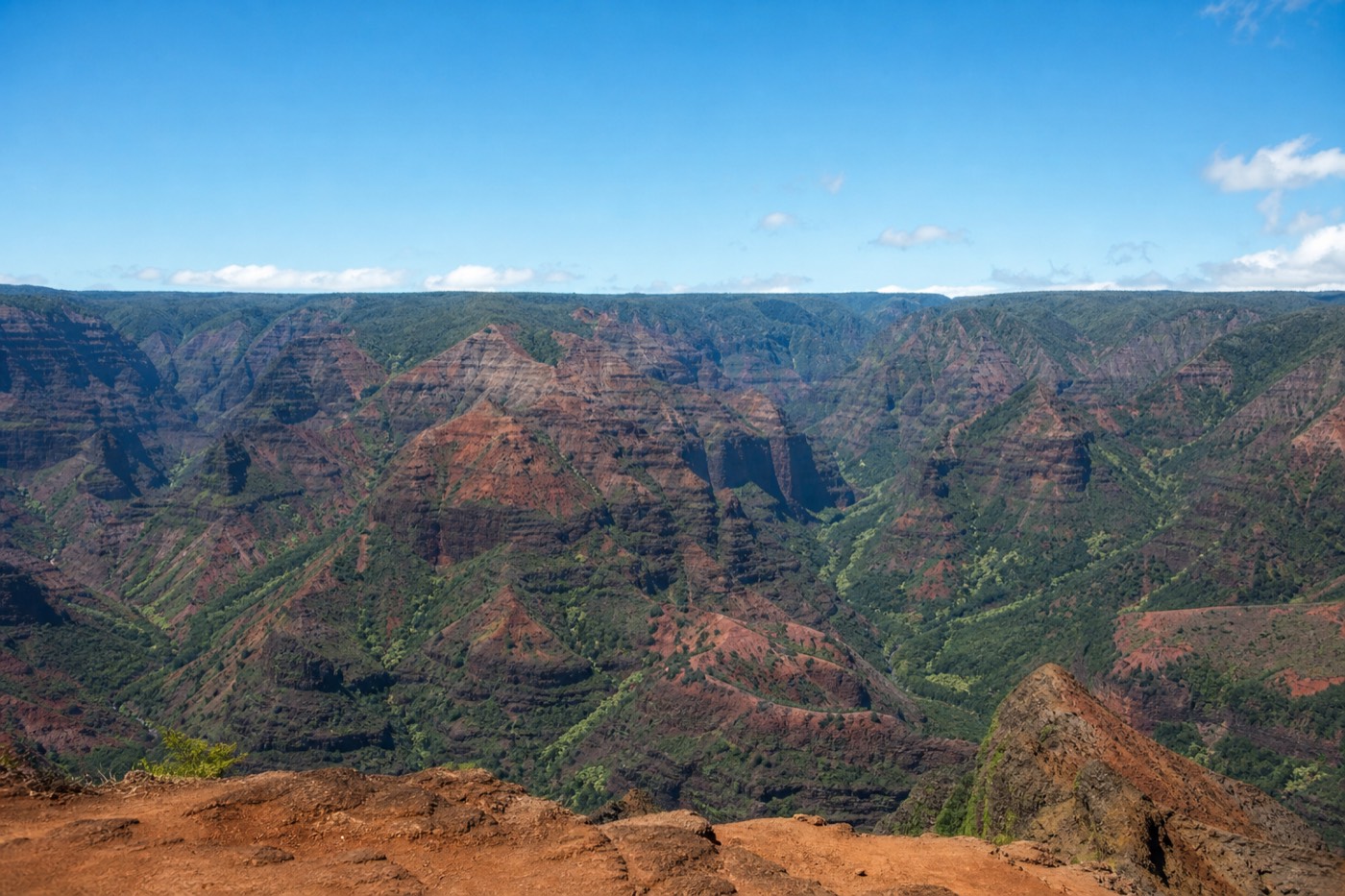
People ask whether Waimea Canyon is worth the drive because it is not on the way to anything. It sits on Kauai's dry west side, an hour or more from the resorts, and you climb a winding road to reach it. So the fair question is whether a mile-wide, thousands-of-feet-deep gash of red and green rock justifies the detour. It does, with one condition attached.
Booking choice: Explore canyon lookouts, Kalalau and the south shore with your own driver-guide. Explore Private Canyon & South Side Day
So, Is It Worth It?
Yes. Waimea Canyon is one of Kauai's signature sights, and unlike most great views in Hawaii it asks almost nothing of you: the best overlooks are drive-up lookouts on a paved road. The one condition is timing. Go early, before the clouds and mist build up the valleys and hide the view.
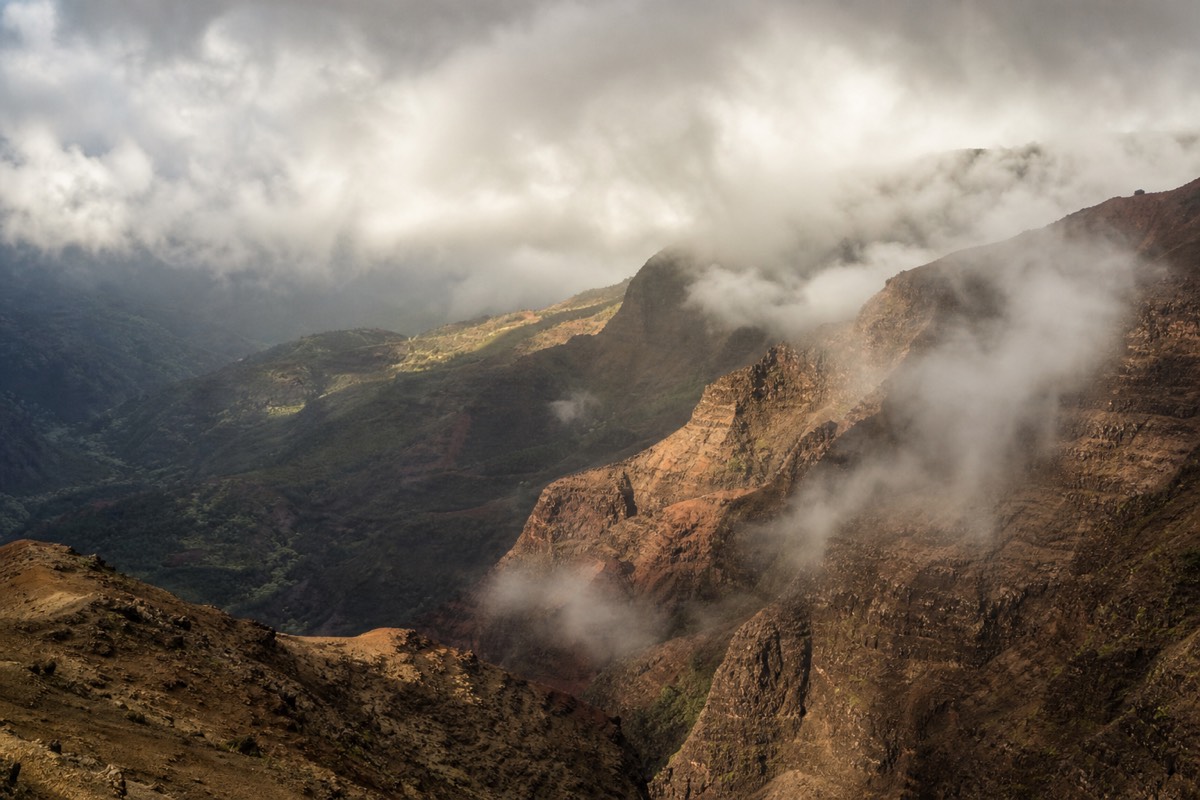
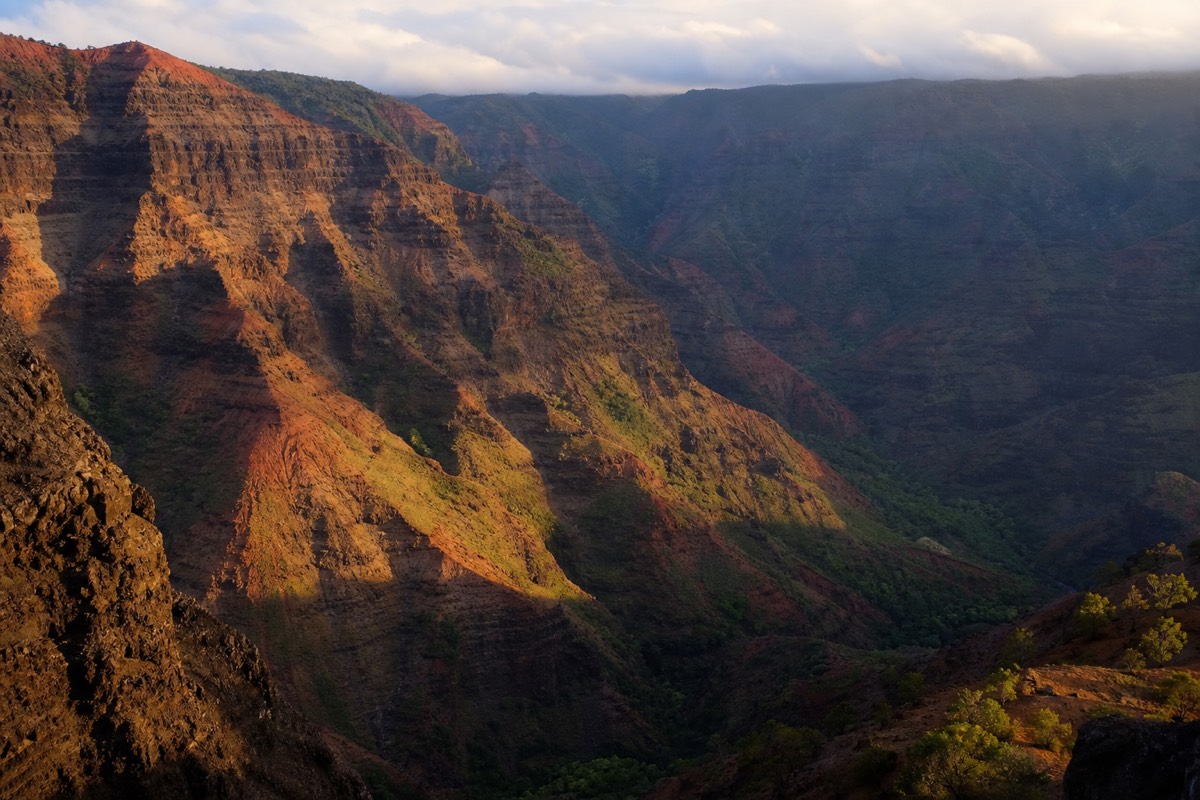
Mark Twain is credited with calling it the Grand Canyon of the Pacific, and the nickname earns its keep. The canyon runs about fourteen miles long and drops roughly 3,500 to 4,000 feet, its walls striped in rust, ochre, and deep green where the rain feeds the ridges. On a clear morning you can trace the Waimea River far below and, from the higher lookouts, see all the way to the ocean and the island of Niʻihau.
What makes it genuinely worth it, rather than just pretty, is how easy the reward is. You do not have to hike. You do not even have to walk far. That combination of scale and accessibility is rare, and it is why the canyon belongs on almost every Kauai itinerary.
What Makes It Worth The Drive?
Three things carry the canyon. The first is the sheer visual payoff: few places hand you a view this big for this little effort. The second is variety within a single short road. Route 550 climbs from hot, dry canyon overlooks into the cool, misty Kōkeʻe forest in about twenty minutes, and at the top the Kalalau Lookout swaps the canyon for a vertical view down a green valley to the Nā Pali Coast. You get two completely different landscapes in one trip.
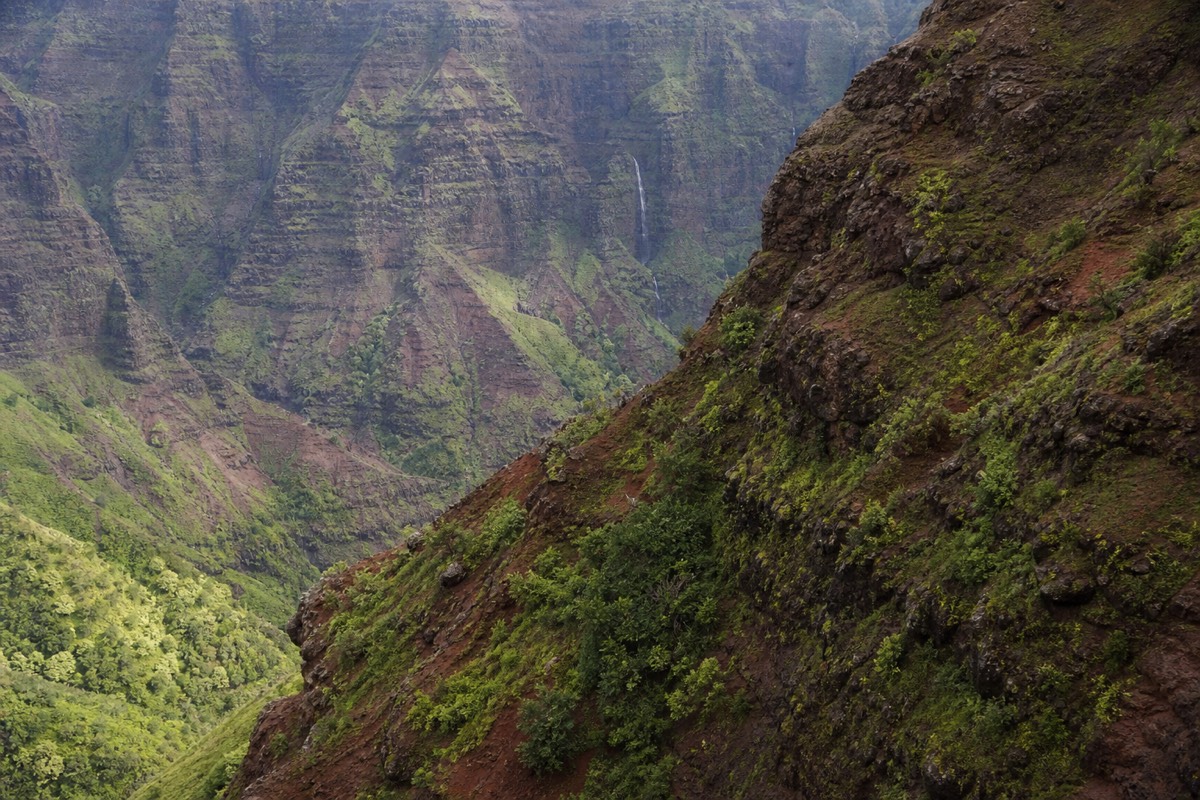
The third is the wildlife and detail that reward a slow look: wild goats picking across the far cliffs, feral roosters in the parking areas, native birds in the upland forest, and the thin white ribbon of Waipoʻo Falls appearing on a distant wall. Add in frequent rainbows rising from the canyon's morning mist, and even a short visit tends to overdeliver.
| The case for going | What to know |
|---|---|
| Enormous view, minimal effort | The best lookouts are steps from parking |
| Two landscapes in one drive | Dry canyon rim, then cool Kōkeʻe forest |
| Nā Pali Coast view up top | Kalalau Lookout, on a clear day |
| Wildlife and waterfalls | Goats, birds, roosters, Waipoʻo Falls from the rim |
| Low cost to enter | Around a $5 entry and $10 parking, one ticket covers Kōkeʻe too |
There is also the question of how it stacks up against the rest of a Kauai trip. The island is famous for its beaches, its north-shore greenery, and the Nā Pali Coast, and the canyon holds its own in that company by offering something none of the others can: raw geological scale you take in at a glance. It is the one stop that makes the whole island feel bigger than a chain of beaches, and it costs a fraction of a boat or air tour to reach.
Who Might Want To Skip It?
Skip it only if the timing is wrong. A fully clouded afternoon can bury the lookouts in gray, so a late-day visit in thick weather may show you very little. If your one free window is a socked-in afternoon, spend it elsewhere and try the canyon another morning.
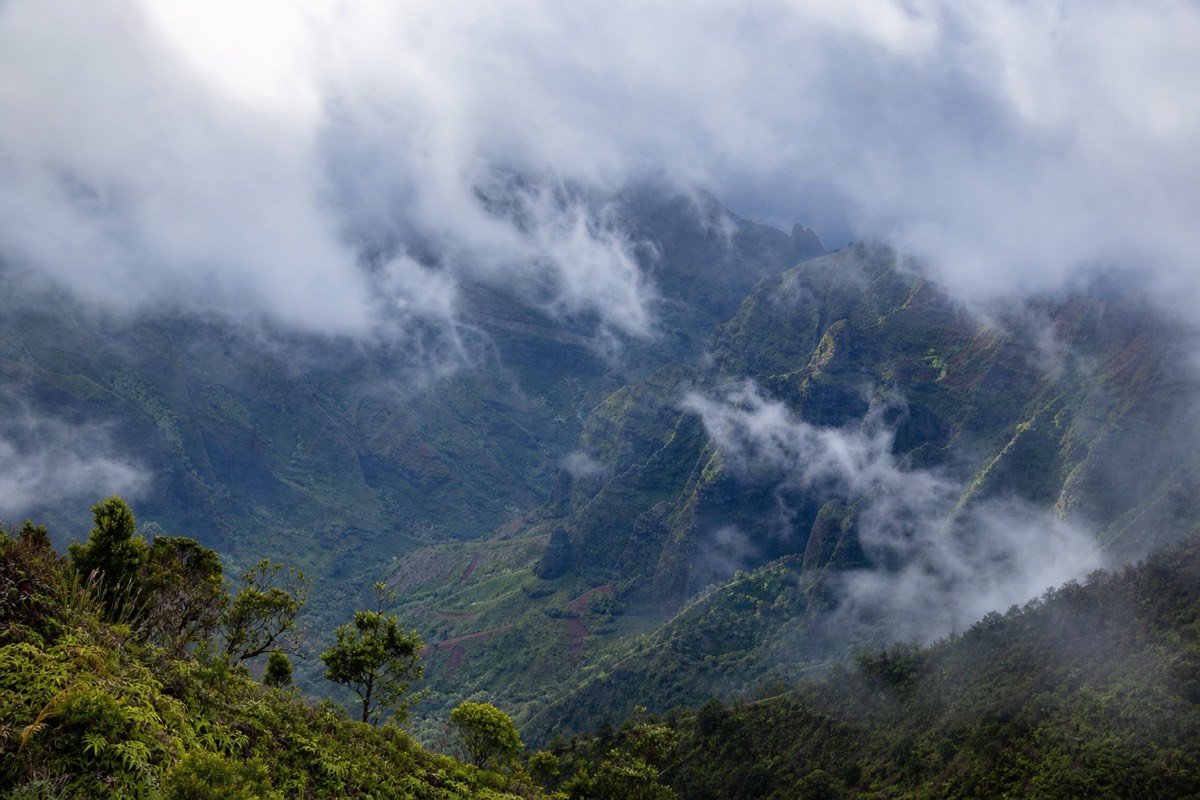
The canyon has one real weakness, and it is not the canyon's fault. By early afternoon, mist and cloud often rise up the valleys and settle over the high lookouts, especially Kalalau and Puʻu o Kila. Arrive then, in thick weather, and you may stand at a world-class overlook staring into a white wall. That is the scenario where a visit disappoints.
A few travelers also simply prefer beaches and water to viewpoints, and for a very short Kauai trip packed with snorkeling, the west-side drive can lose out on time alone. But the fix for almost everyone is not to skip the canyon, it is to go at the right hour. Our breakdown of the best time of day to see Waimea Canyon covers exactly when the light and the clouds cooperate.
How Do You Make It Worth Your Time?
Go in the morning. That is the whole secret. Start the climb soon after breakfast, hit the highest, most cloud-prone lookouts first, and work your way back down through the canyon overlooks while the air is still clear. Bring a light jacket, because the rim sits above 3,400 feet and runs cooler and windier than the coast.
If you would rather not drive the twisting road or hunt for parking, a guided tour handles both and handles the driving between stops. The small-group mini-coach trip pairs the canyon lookouts with the Kōkeʻe forest, a Natural History Museum stop, and a lunch stop at the lodge, with food paid separately, with park fees included, so a first-timer sees the whole west-side highlight reel without planning it. For the full picture of what to see and how to string it together, our Waimea Canyon travel guide maps out the day.
So, worth it? On a clear morning, absolutely, and it ranks among the easiest great views you will ever earn. The only way to get it wrong is to show up in the afternoon fog and blame the canyon.