Kalalau Lookout Guide
At about 4,000 feet, Kalalau Lookout stares straight down a fluted green valley to the Nā Pali Coast. It is Kauai's best drive-up coast view, and it hinges entirely on timing.
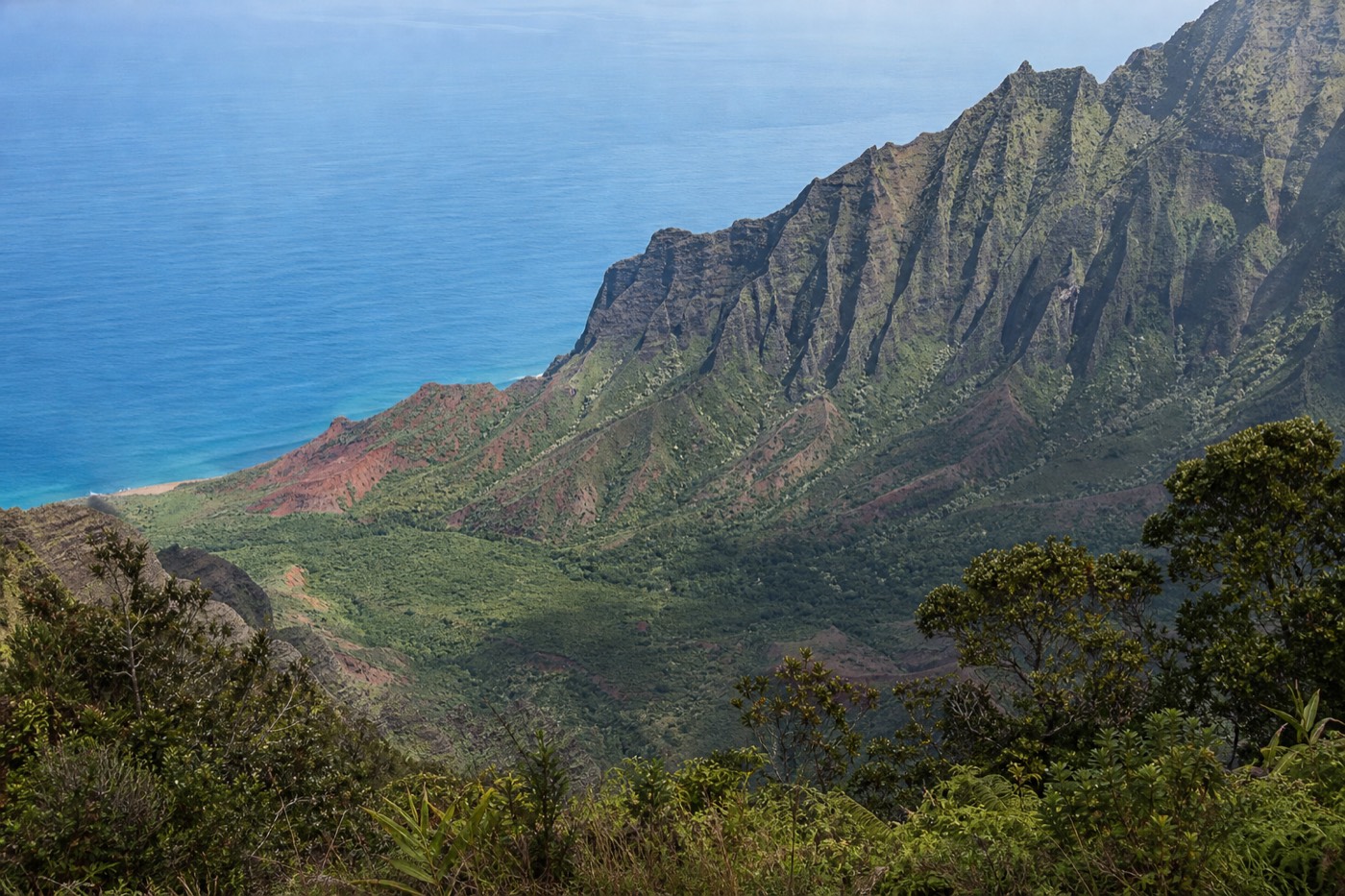
Reach the rail at Kalalau on a clear morning and the ground simply falls away. The valley drops roughly two thousand feet, its walls pleated into deep green folds, and runs out to a beach and a wall of sea cliffs that no road on Kauai will take you to. Reach it two hours later and you may be looking at a soft grey wall of cloud. Same lookout, completely different day. This guide is about getting the first version, and about what to do when you get the second one instead.
Booking choice: Explore canyon lookouts, Kalalau and the south shore with your own driver-guide. Explore Private Canyon & South Side Day
What Is Kalalau Lookout?
Kalalau Lookout is a railed overlook near mile marker 18 on Route 550, at roughly 4,000 feet, just past Kōkeʻe State Park. It looks down Kalalau Valley to the Nā Pali Coast and the Pacific. It is the most dramatic view you can drive to on Kauai, and it shares the ridge with the higher Puʻu o Kila Lookout.
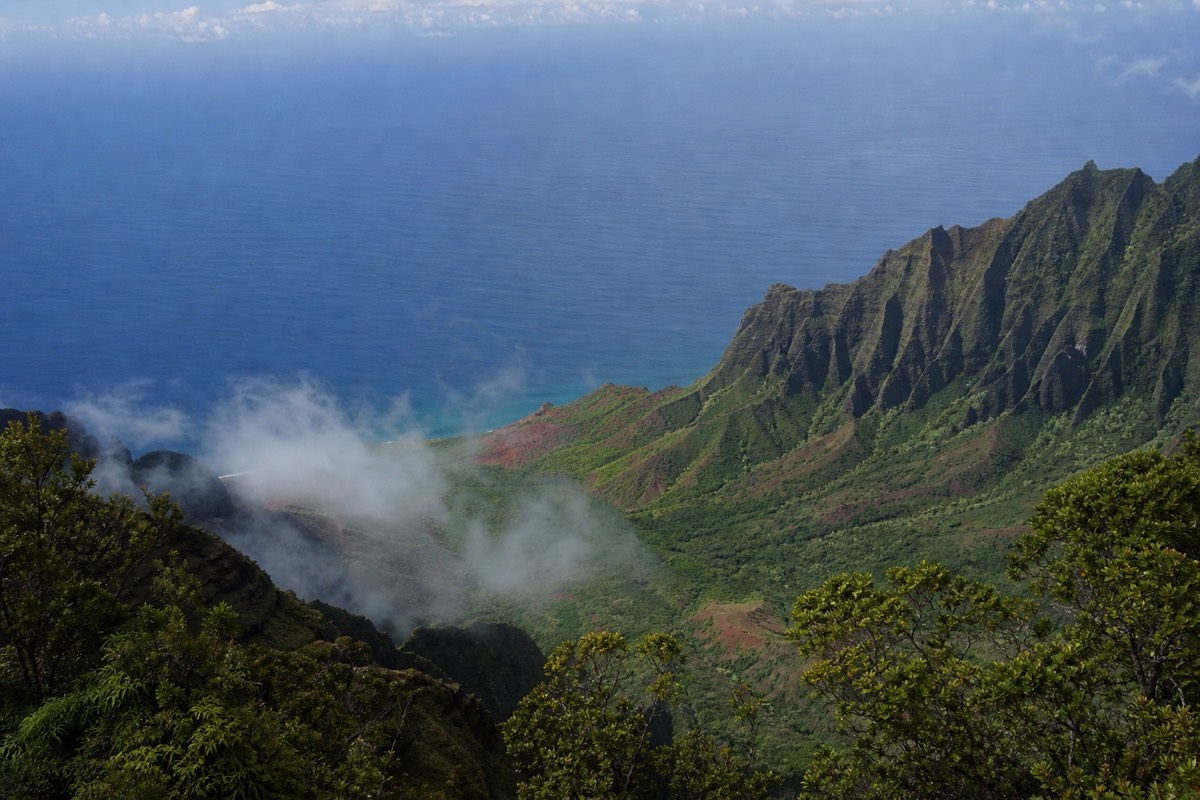
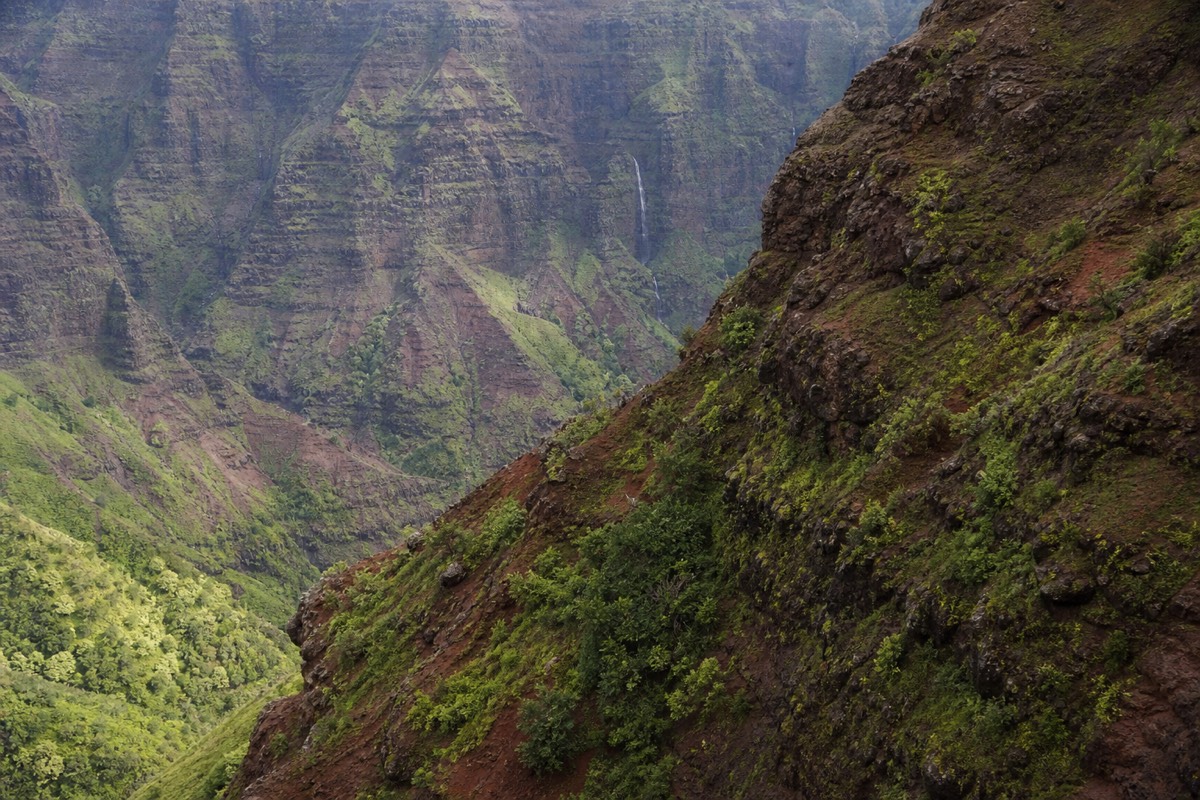
The lookout sits at the far, high end of the same road that climbs Waimea Canyon, so almost everyone reaches it as part of the canyon drive rather than as a separate trip. What sets it apart is the switch from red rock to green valley. Down in the canyon you are looking at oxidized cliffs and a river; up here you are looking at one of the wettest, greenest coastlines in Hawaii, seen from above.
One point trips up a lot of first-time visitors: the lookout and the Kalalau Trail are not the same thing, and you do not hike to the lookout. The famous eleven-mile trail runs along the coast far below and starts on the north shore. The lookout is a drive-up view of the same valley from the top. You can enjoy the view without walking more than a couple of minutes from the car.
What You Actually See From It
You see straight down Kalalau Valley: pleated green ridges dropping about two thousand feet, the valley floor running seaward, and the Nā Pali sea cliffs framing a distant beach. On the clearest days the view reaches the open ocean. Waterfalls thread the valley walls after rain, and the whole scene shifts as light and mist move through.
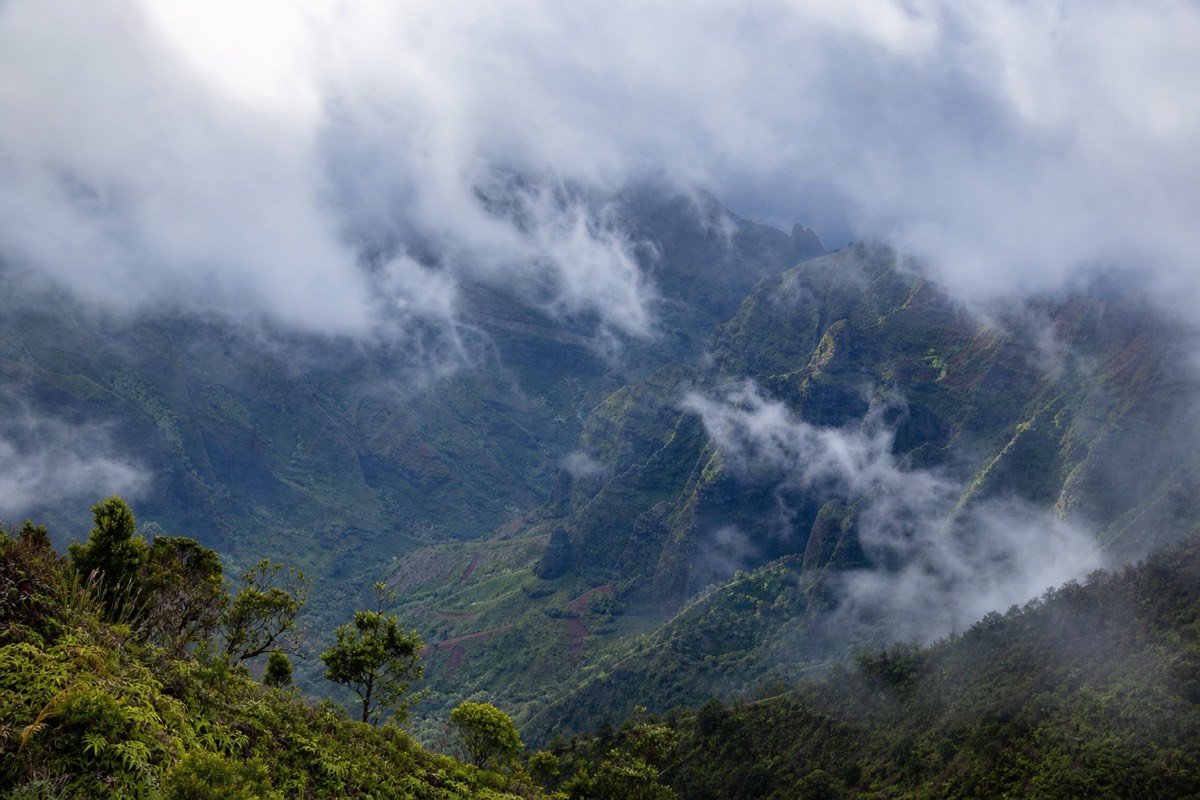
The valley is the star. Its walls are fluted, meaning they fold in and out in sharp vertical pleats, and they hold that saturated green because this side of the island catches so much rain. The floor tapers toward the coast, and on a good day you can trace it all the way to where it meets the sea. It is a genuinely vertical view, which is why photos rarely do it justice.
The table below breaks the scene into layers, near to far, so you know what you are looking at from the rail.
| Layer | What you are seeing | Notes |
|---|---|---|
| Foreground rim | The overlook edge and near ridge | Where you stand, roughly 4,000 ft |
| Valley walls | Fluted green ridges dropping ~2,000 ft | Waterfalls appear after rain |
| Valley floor | Green basin running toward the coast | Reachable only by trail or boat |
| Nā Pali cliffs | Sea cliffs framing the valley mouth | The coastline seen from above |
| Open ocean | Pacific beyond the cliffs | Visible on the clearest mornings |
Because this is a valley view rather than a flat vista, the light does a lot of work. Early sun rakes across the folds and gives them depth; flat midday light erases them. Passing mist can be a bonus rather than a spoiler, sliding through the valley and lifting to reveal the coast in pieces.
Scale is the other thing photos never capture. The near ridge alone drops away hundreds of feet before the eye even reaches the valley floor, and the sea cliffs at the far end are several miles off, which is why a person standing at the rail beside you looks tiny in a wide shot. Give yourself a few minutes to let the size of it register before you reach for a camera; most visitors spend the first stretch just staring.
Keep an eye on the birds, too. Tropicbirds and other seabirds ride the updrafts along the valley walls, drifting far below your feet, and their slow circles give you a live sense of just how deep the drop is. It is a small detail that makes the view feel alive rather than like a painting.
The Best Time To Go: Clouds Build By Late Morning
Go early. Kalalau Lookout is roughly 4,000 feet up on the island's wet side, and warm air pushes cloud into the valley as the day heats up, often by late morning. The clearest, most reliable window is the first couple of hours after the road opens. Afternoons are frequently clouded in.
This is the single most important thing to understand about Kalalau, and it is why this guide plans the whole canyon drive around reaching the top first. The pattern is not a rule you can set your watch by, but it is consistent enough to plan on: mornings favor clear valleys, afternoons favor cloud. Rain and trade-wind conditions can shift the timing, sometimes clearing a socked-in valley in minutes, sometimes closing a clear one just as fast.
| Time window | Typical odds of a clear view | What to expect |
|---|---|---|
| Just after sunrise | Best | Cool, quiet, valley usually open |
| Mid-morning | Good, fading | Cloud starting to gather in the valley |
| Late morning | Mixed | Mist often filling from below |
| Afternoon | Poor | Frequently clouded, brief clearings possible |
If you can only leave your hotel later in the day, do not write the lookout off entirely. Clearings happen, and a patient twenty minutes at the rail sometimes pays off when a gap moves through. But if a clear valley matters to you, an early start beats any other single decision. For the full timing logic across the whole canyon, see the best time of day to see Waimea Canyon, and for a plan when the rail is already grey, read what to do when Kalalau is clouded in.
Kalalau Lookout Vs Puʻu O Kila
Kalalau gives the deeper, more vertical plunge down the valley; Puʻu o Kila, at the very end of the road and a touch higher, gives a wider ridge-and-coast sweep and the Pihea trailhead. They are minutes apart, so the smart move is to see both and let the clouds pick a favorite.
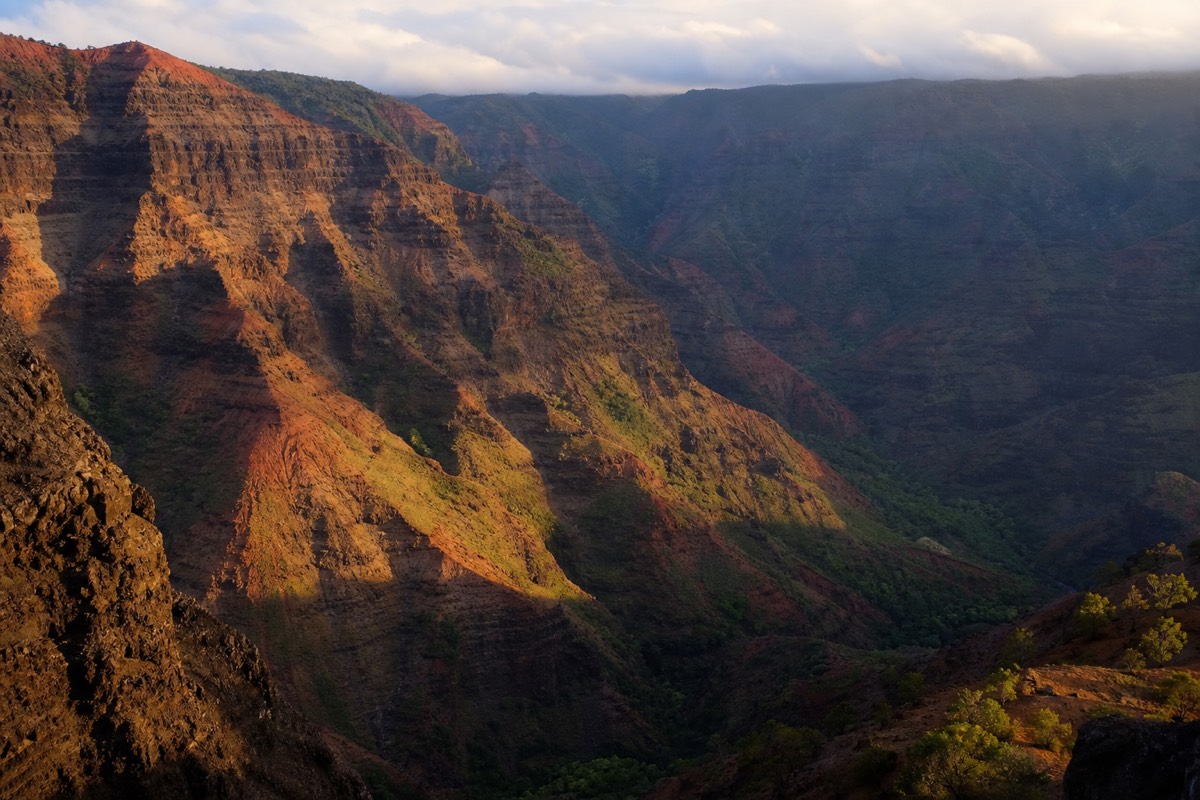
These two overlooks are close neighbors on the same ridge, and travelers constantly ask which is better. The truth is they complement each other. The comparison below lays it out.
| Feature | Kalalau Lookout | Puʻu o Kila Lookout |
|---|---|---|
| Position | Near mile 18, main coast overlook | End of Route 550 |
| View character | Deep, vertical valley plunge | Wider ridge and coast panorama |
| Signature shot | The classic Kalalau Valley photo | Broad framing with the ridge line |
| Extras | Larger lot, interpretive signs | Pihea Trail starts here |
| Crowd level | Busier | Smaller, quieter lot |
Do both if the clock allows. When the valley at Kalalau is partly filled, the wider angle from Puʻu o Kila sometimes reads as clearer, and the reverse happens too. Seeing both raises your odds of catching at least one open window. To compare these overlooks against seeing the coast from a boat or a small plane, our guide to Nā Pali Coast views from Kōkeʻe puts the drive-up option in context.
How To Get There On Route 550
From the town of Waimea on Kauai's west side, take Route 550 up. It is paved the whole way, but it is winding and climbs steadily to about 4,000 feet. Plan on roughly forty-five minutes to an hour of driving from the coast to Kalalau, plus stops. One park ticket covers both Waimea Canyon and Kōkeʻe.
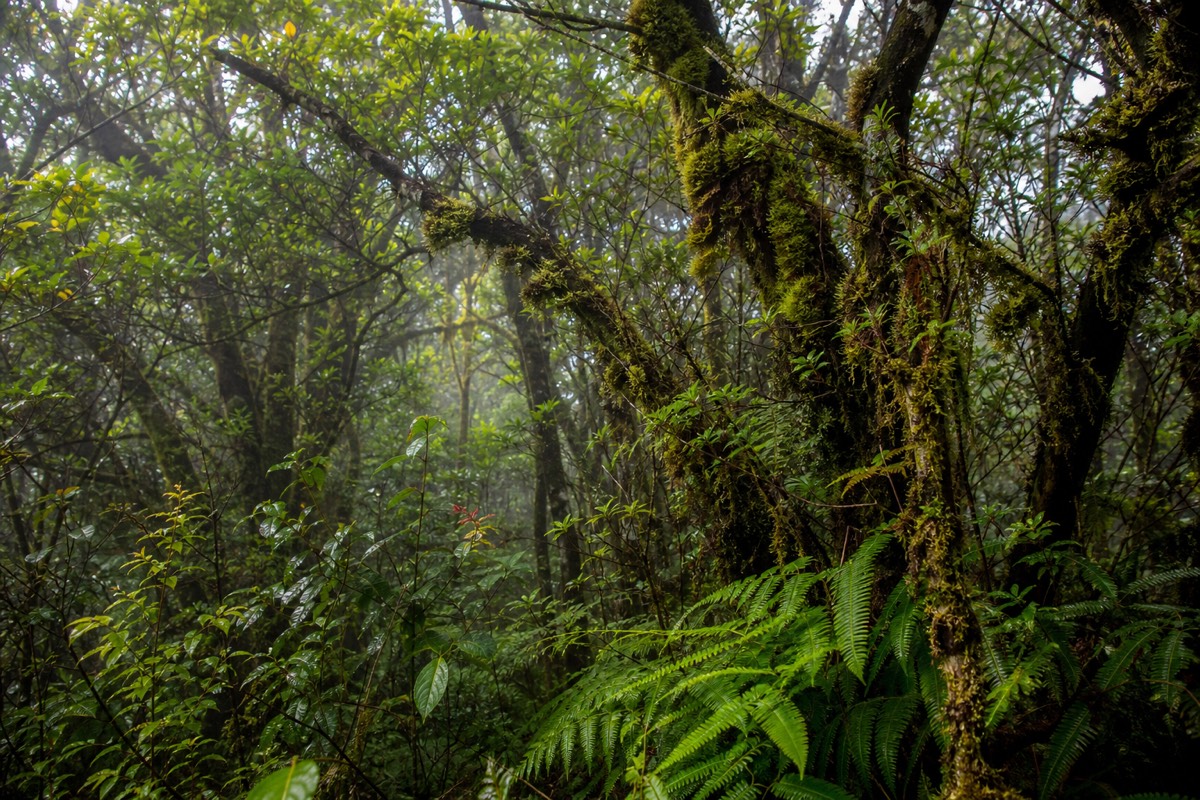
The road is the same one that serves every canyon lookout, so getting to Kalalau means driving past all of them. It is a good, paved highway, but it is not a quick one: expect switchbacks, some blind curves, and a slow climb, especially if you are stopping at overlooks along the way. Give yourself margin, because rushing the top to beat the cloud only to hit slow traffic behind a rental car is a common frustration.
| Segment | Rough driving time | Note |
|---|---|---|
| Waimea town to main canyon lookout | ~25 to 30 minutes | Steady climb, several pullouts |
| Main lookout to Puʻu Hinahina | ~10 minutes | Short hop up the road |
| Puʻu Hinahina to Kōkeʻe | ~10 minutes | Forest, museum, lodge |
| Kōkeʻe to Kalalau Lookout | ~10 minutes | Nearly the end of the road |
If the drive itself gives you pause, the winding climb and the pressure to time the light are exactly the parts a guided trip removes. The small-group canyon and Kōkeʻe tour we list runs the whole road with a driver who knows the cloud pattern, includes park fees, and adds a Kōkeʻe forest stop, so you watch the valley instead of the wheel. Non-drivers, cruise passengers, and anyone nervous about mountain roads tend to prefer that setup. For the full self-drive breakdown, see the best Waimea Canyon lookouts, which sequences the whole set of stops.
Photography From Kalalau
For photos, arrive early for the clear valley, shoot with the morning light raking across the folds, and bring a wide lens for the whole valley plus something longer for the distant coast and waterfalls. A polarizer cuts haze. Be ready to wait out mist, since a moving cloud often reveals the best frame for only a moment.
The valley is a difficult subject in the best way. The scale is enormous, the light changes minute to minute, and the most striking shots often come when a band of mist is halfway through the frame rather than gone entirely. A few practical notes help.
| Goal | Approach |
|---|---|
| Whole-valley shot | Wide lens, shoot early, include a ridge for scale |
| Distant coast | Longer lens to compress the cliffs and sea |
| Cut haze and glare | Polarizing filter, angled to the sun |
| Waterfalls after rain | Longer lens, look along the valley walls |
| Mood and mist | Wait for a moving cloud, shoot the reveal |
Light direction matters as much as clarity. Because you are looking generally seaward and slightly north, the early sun comes across the valley rather than straight into your lens, which is ideal. By midday the light is high and flat and the folds lose their depth, so the photographic window closes around the same time the cloud window does.
Kalalau Lookout Vs The Kalalau Trail: Not The Same Thing
They share a name and a valley but they are completely different experiences. Kalalau Lookout is a drive-up overlook on Route 550 at about 4,000 feet, reached by a short walk from parking. The Kalalau Trail is an eleven-mile coastal hike far below along the Nā Pali Coast, one of the toughest routes in Hawaii. Do not confuse the two.
This mix-up sends people down rabbit holes about permits and stream crossings when all they want is the view from the top. The lookout needs no permit, no reservation, and no real hike. The trail is a serious undertaking with its own rules. The table makes the split clear.
| Feature | Kalalau Lookout | Kalalau Trail |
|---|---|---|
| What it is | Drive-up overlook at the top | Coastal hiking trail at sea level |
| Location | End of Route 550, ~4,000 ft | North shore, Nā Pali Coast |
| Effort | Short walk from parking | ~11 miles one way, strenuous |
| Permit | None, just the park ticket | Permits required beyond the first section |
| Who it suits | Almost everyone | Fit, experienced hikers |
If your goal is simply to see the famous Kalalau Valley, the lookout gives you that from above, and arguably with more sweep than you get from the coast below. The two are best thought of as separate trips on opposite ends of the same island, not as two ways to reach one spot.
What To Bring And Know Before You Go
Pack a light layer or two, water, sun protection, and sturdy shoes. At 4,000 feet the air runs ten to fifteen degrees cooler than the coast and can be breezy and damp. Fuel up and use restrooms lower down, since services near the top are limited. Fill your tank before the climb, and start early.
The lookout rewards a little preparation, mostly because of the elevation and the distance from town. None of it is complicated, but forgetting a layer or arriving on an empty tank turns a great morning into an uncomfortable one.
| Item or step | Why it matters |
|---|---|
| Warm layer | The rim is far cooler and often breezy or misty |
| Water and snacks | Few services between the canyon and Kōkeʻe |
| Full fuel tank | No gas on the mountain, and the climb is long |
| Early start | Beats the mid-morning cloud into the valley |
| Park fee ready | ~$5 per person plus ~$10 parking, one ticket for both parks |
| Restroom stop | Facilities are limited near the top lookouts |
Cell coverage is spotty on the upper road, so download directions and any maps before you leave the coast. If all of that sounds like a lot to juggle on a winding mountain highway, a guided tour folds it into the price: transport, fees, water, and timing, with a driver who has done the drive hundreds of times.
Is Kalalau Lookout Accessible For Seniors And Non-hikers?
Mostly yes. The view is drive-up, and the walk from the parking area to the railed overlook is short, with a few steps and some uneven ground. It is easier than a trail but less flat than the main Waimea Canyon Lookout. Anyone using a wheelchair or walker should expect the lower canyon lookouts to be simpler.
This is one of the great things about Kalalau: a view this dramatic usually demands a hard hike, and here it does not. Most travelers, including many older visitors, reach the rail comfortably. The ground is not perfectly smooth, and there are a few steps, so pace matters and sturdy shoes help. It is cool and sometimes breezy at this elevation, so a layer is worth carrying even on a warm island day.
If a member of your group cannot manage the short walk, the main Waimea Canyon Lookout lower down offers a level, paved approach and a spectacular view of its own, so no one has to miss out. A guided tour also smooths the day for anyone who would rather not drive, with pickup, timing, and pacing handled for them.
Is Kalalau Lookout Worth The Drive?
For nearly everyone, yes. Even counting the winding road and the cloud risk, a clear morning at Kalalau ranks among the finest views in Hawaii, and it costs nothing beyond the park ticket. Go early to stack the odds, keep a canyon-lookout backup in mind, and the drive pays off handsomely.
What makes the lookout worth it is that it is the only way to stand on top of the Nā Pali Coast and look straight down into it without a boat, an aircraft, or a punishing hike. That perspective is rare, and it lands for a short walk and a few dollars in park fees. Pair it with the red-rock canyon views lower on the same road and you get two completely different landscapes in one morning, which is hard value to beat anywhere on Kauai.
There are travelers for whom it is a weaker fit. If your only free window is the afternoon, the cloud may beat you, and you might get more from a day at the coast. If winding mountain roads make you carsick, the climb is a real consideration, though riding with a guide instead of driving usually settles that. And if you are already committed to a boat or a flight that reaches the coast up close, the drive-up view becomes a nice-to-have rather than a must.
Weighed against the paid options, the lookout is the budget hero: the aerial and water tours show you the coast from angles no overlook can, but they cost real money, while Kalalau asks only for the park ticket and an early alarm. For most itineraries the answer is not either-or. Do the free top-down view early in your trip, then splurge on one up-close angle later, and you will have met Nā Pali from every side that matters. Booking a guided Waimea Canyon Tour that includes Kalalau simply removes the drive and the timing worry from that plan.
What If It's Clouded In?
If Kalalau is clouded when you arrive, wait a bit, because gaps move through fast, but do not bank the whole day on it. Drive back down to the canyon lookouts, which sit lower and often stay clearer. Then try Kalalau again on the way out. The lower Waimea Canyon views rarely disappoint even when the coast is hidden.
Cloud is part of the deal at 4,000 feet on this coast, and it is not a failure of planning so much as the mountain doing what it does. The best response is flexibility. A short wait at the rail sometimes clears a full valley view in the space of a coffee. If it does not, the canyon overlooks are lower, drier, and more reliable, so the day is far from lost. We wrote a full playbook for exactly this scenario: what to do when Kalalau Lookout is clouded in.
Guides earn their keep here, because a driver who watches the sky can reorder the day on the fly: skip a fogged Kalalau, work the clear canyon stops, and swing back up when a gap opens. That kind of live adjustment is hard to pull off on your own schedule, and it is a big reason a guided Waimea Canyon Tour often ends with better views than a rushed self-drive. A local driver also reads the clouds by habit, noticing the way the mist is drifting or thinning in a way a first-time visitor simply cannot, and that instinct often decides whether the group catches the valley or misses it. The point to hold onto is simple: a grey rail is a delay, not a defeat, and Kauai rarely makes you leave the mountain with nothing.