What Is the Best Time of Day to See Waimea Canyon?
There is a right answer to this one, and it is not subtle: get there early, before the canyon disappears behind its own clouds.
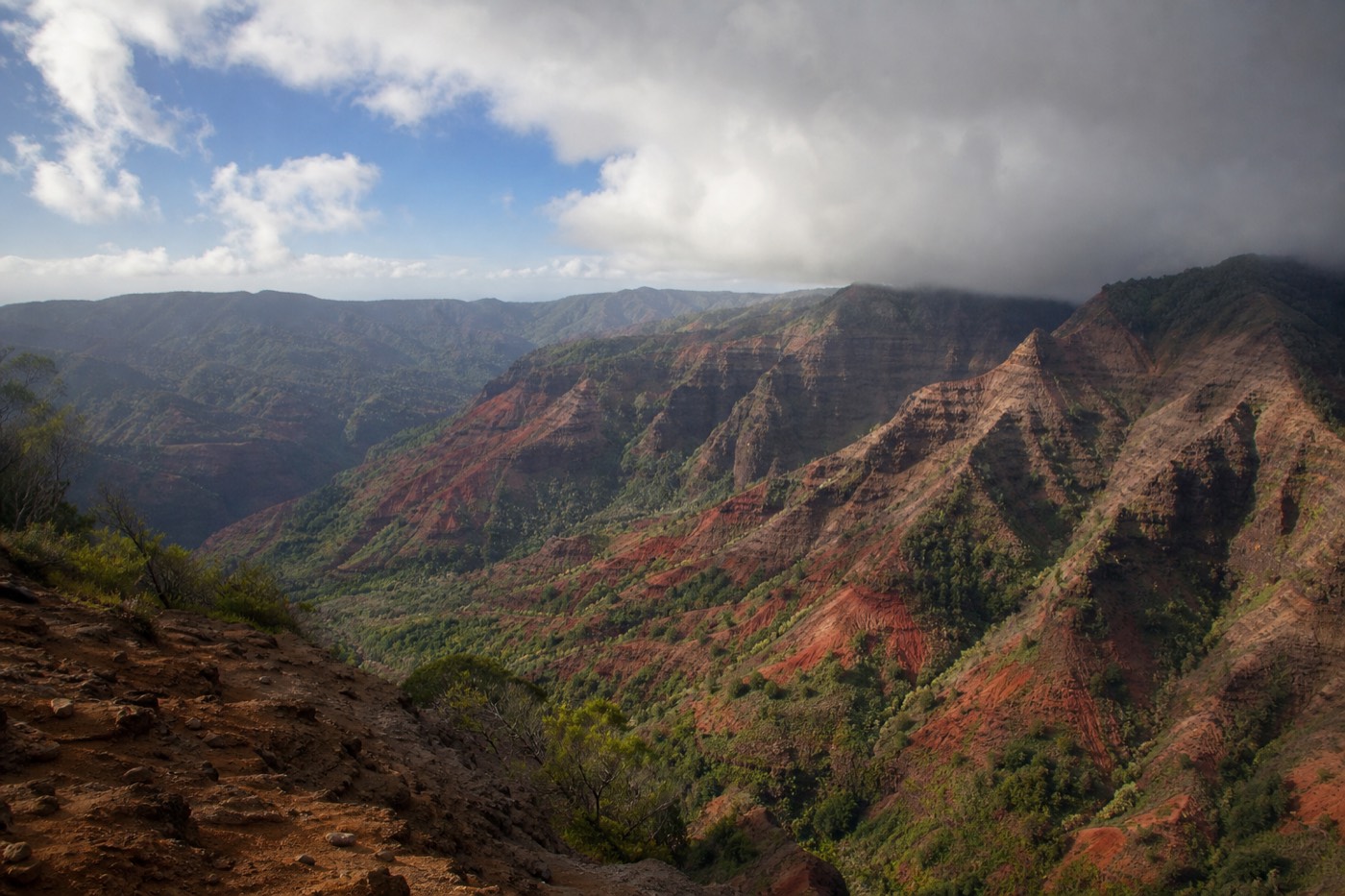
Early morning is the best time of day to see Waimea Canyon. Reach the lookouts soon after sunrise and through mid-morning, because warm air rising off the canyon builds clouds and mist over the rim by late morning, and the high Kalalau and Nā Pali overlooks are usually the first views to vanish.
Booking choice: Explore canyon lookouts, Kalalau and the south shore with your own driver-guide. Explore Private Canyon & South Side Day
Ask ten guides on Kauai's west side and you will get the same answer ten times. The canyon opens the day clear and closes in as the sun climbs. It is a daily rhythm, not a coin flip, and once you understand it the whole visit gets easier to plan.
Why Is Morning Better Than Afternoon?
Overnight the air settles and the canyon sits open and sharp. As the sun heats the red rock and trade winds push moisture up the western slopes, that rising air cools, condenses, and forms cloud right over the rim. By early afternoon the mist often sits across the highest, coast-facing lookouts and does not reliably clear before evening. The lower canyon can hold longer, but the marquee views toward the Nā Pali Coast are the first to go.
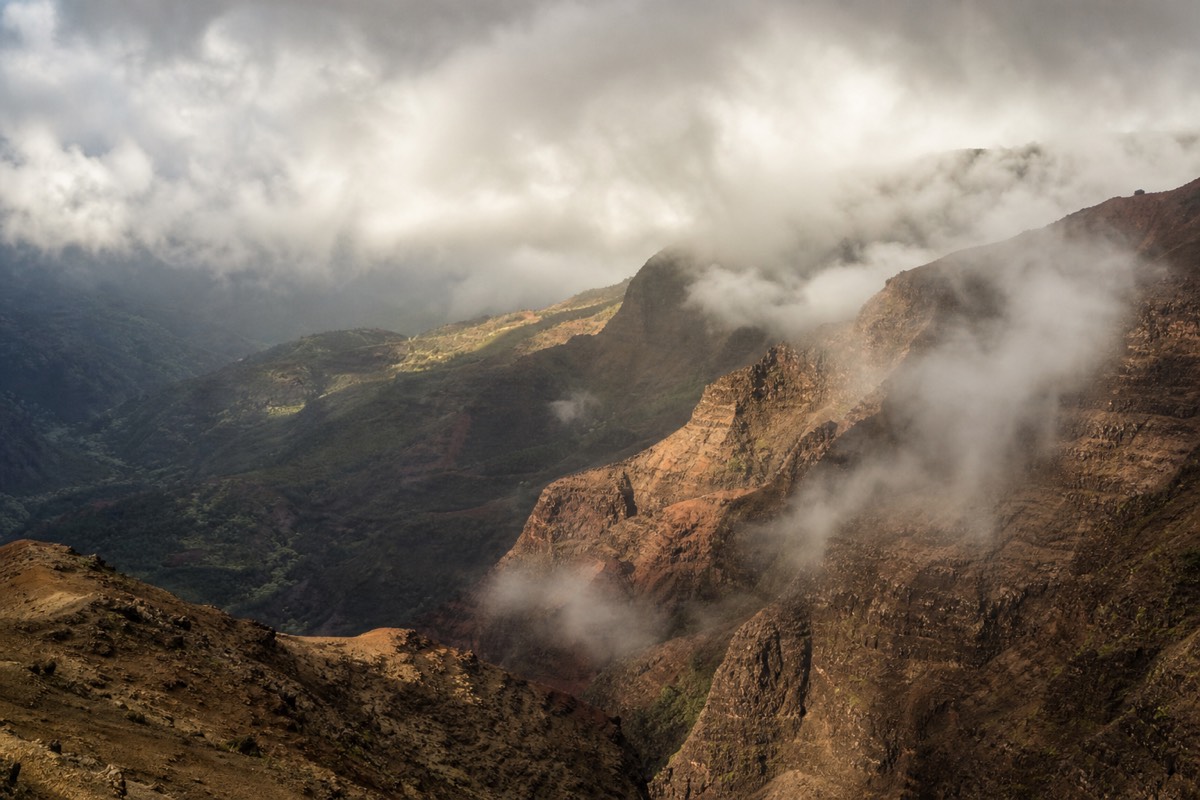
That is why the upper stops, the Kalalau Lookout and Puʻu o Kila, are the ones you visit first. Save them for the afternoon and you are gambling with the best part of the canyon.
There is a second, quieter reason to favor the morning: the air itself is cleaner before the day's haze builds, so even the lower lookouts look sharper and the colors read truer. Add the thin early crowds and the cooler, more comfortable temperature at the rail, and the case for an early start stops being only about cloud. It is simply the better version of the whole visit.
When Exactly Should You Arrive?
Aim to be at the lookouts by mid-morning at the latest, and earlier if you can. Sunrise to about nine is the safest window; nine to eleven is usually still good. From about eleven onward the odds start slipping up high. Work backward from that when you plan the drive, remembering it is roughly an hour up from Poʻipū, longer from Līhuʻe, and two hours or more from the north shore.
| Arrival | Odds of clear upper views | Notes |
|---|---|---|
| Sunrise to 9 a.m. | Best | Open canyon, clean coast views, thin crowds |
| 9 to 11 a.m. | Good | Still mostly clear; cloud starting up high |
| 11 a.m. to 1 p.m. | Mixed | Kalalau and Nā Pali often clouding over |
| After 1 p.m. | Riskier | Upper lookouts frequently socked in |
Does The Season Change The Daily Timing?
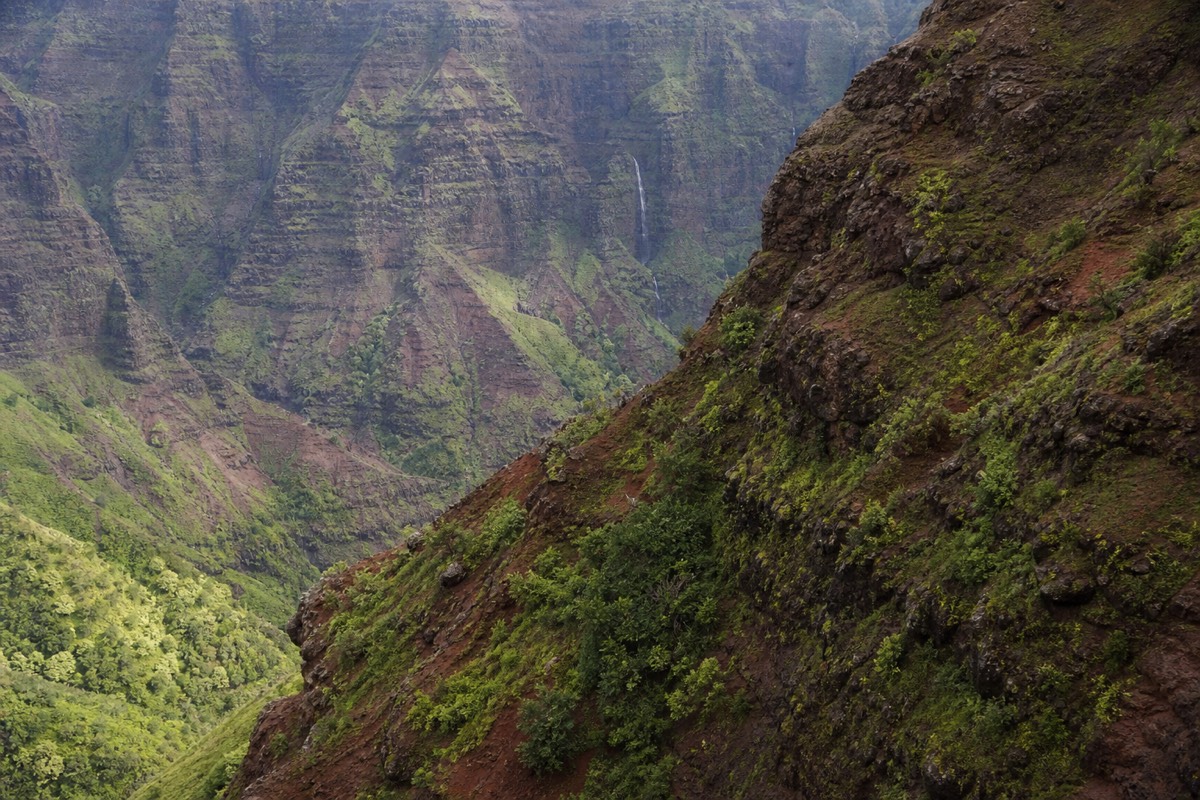
Not really. The morning-clear, afternoon-cloud pattern holds across the year, because it is driven by the daily heating of the canyon rather than the season. Winter mornings can be cooler and a touch cloudier overall, and long summer days give you a wider early window, but in every month the safest bet is the same: be at the lookouts before late morning. The season changes how green the walls are and whether the waterfalls are running, not the hour you should aim for.
What About The Light For Photos?
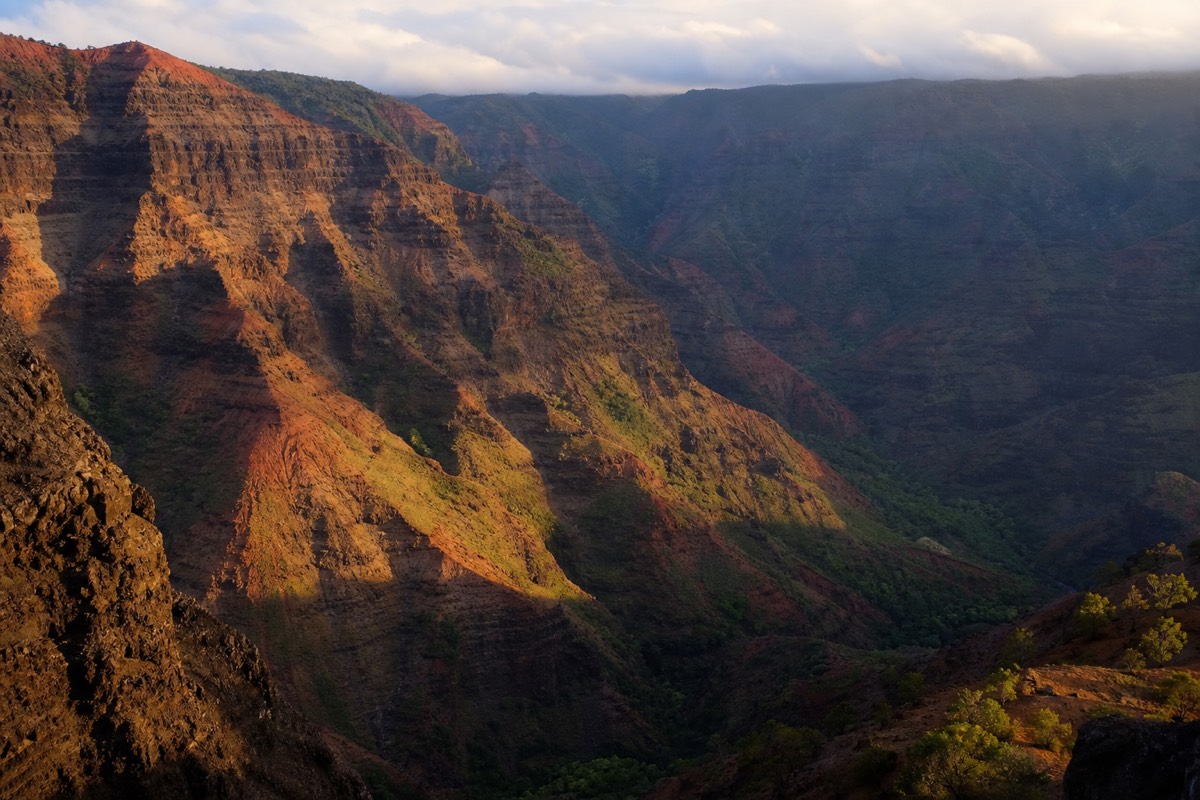
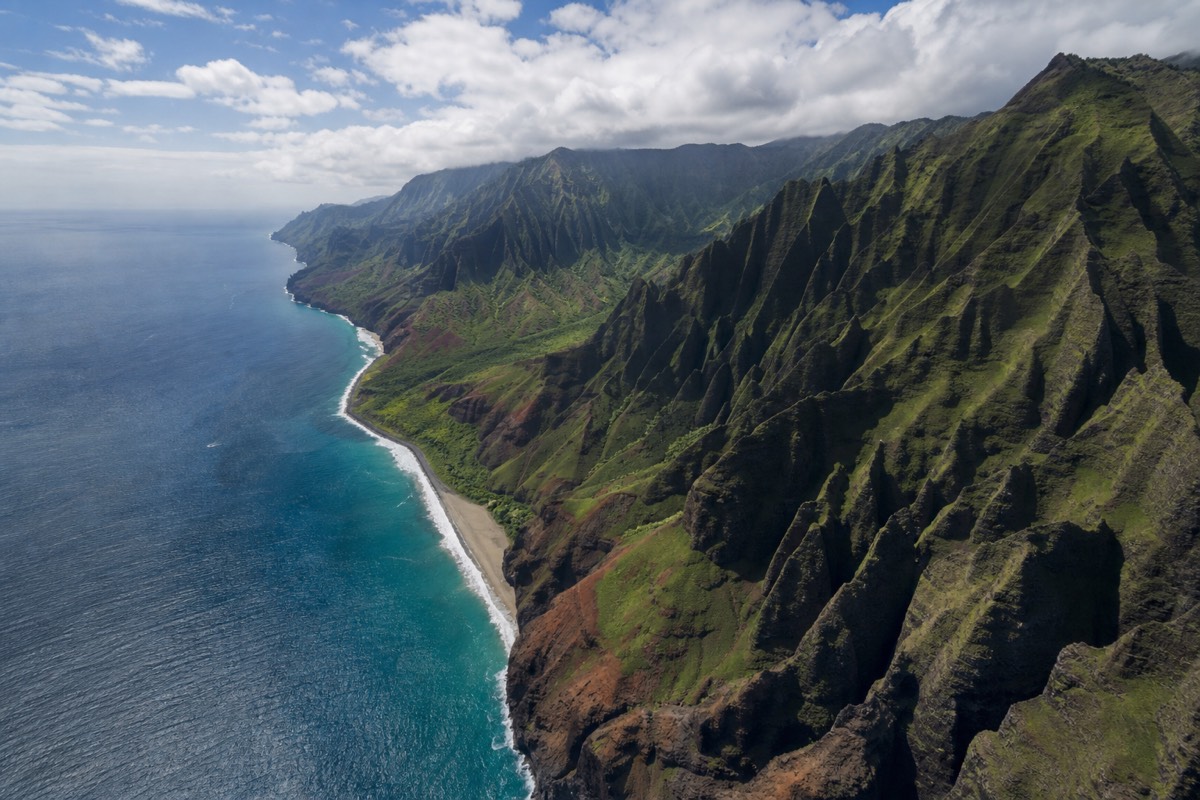
Morning does double duty for photographers. The low, warm light after sunrise rakes across the layered walls and gives the canyon depth, while the clean early air keeps distant ridges crisp. Midday light flattens the colors and the haze softens the far views even when the cloud has not fully closed in. Late afternoon can reward patience when the rim reopens and the walls glow again, but it is a gamble, not a plan.
Is It Worth Arriving For Sunrise?
Arriving very early buys two things beyond the clear air: soft, warm light on the walls and lookouts that are nearly empty. You do not necessarily need to be there for the exact moment the sun crests, since the canyon faces in a way that takes a while to fill with direct light, but the first couple of hours after sunrise are the prime window. The trade-off is a cold, dark drive up and a genuinely chilly rim, so bring a warm layer and headlights you trust if you are setting out before dawn from the far side of the island. For many people the empty overlooks alone make it worth the early alarm.
How Early Should You Leave To Beat The Clouds?
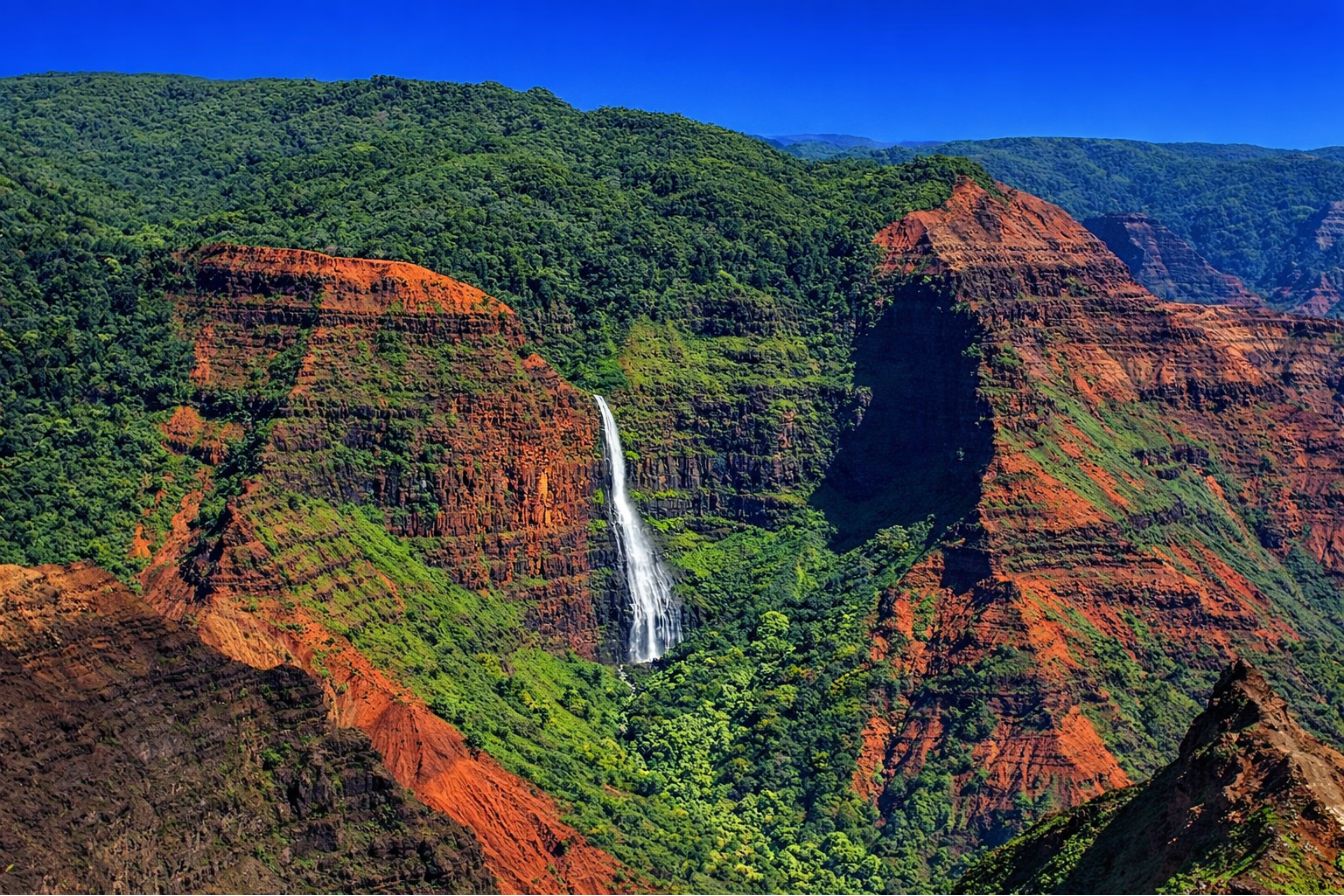
Work backward from being at the upper lookouts by mid-morning, around 9 to 9:30. That means leaving Waimea town by roughly 8:30, Poʻipū by about 8, Līhuʻe by 7:30, the east side by around 7:15, and the north shore before 7. The farther your base, the earlier the alarm.
The road is a climb, not a cruise, so pad your estimate for slow RVs, a fuel stop in Waimea town, and the photo pullouts you will want on the way up. These are planning allowances for a relaxed pace, not a race up an empty road:
| Starting from | Drive to the lookouts | Leave by (to be up mid-morning) |
|---|---|---|
| Waimea town | ~30 to 40 min | around 8:30 a.m. |
| Poʻipū / south shore | ~1 hour | around 8:00 a.m. |
| Līhuʻe / airport | ~1 to 1.5 hours | around 7:30 a.m. |
| Kapaʻa / east side | ~1.5 hours | around 7:15 a.m. |
| Princeville / north shore | ~2 to 2.5 hours | before 7:00 a.m. |
If that sounds early, it is, and it is the whole game here. The same start that saves your view also lands a parking spot before the lots fill.
Which Lookouts Should You See First?
See the coast-facing lookouts first. Kalalau and Puʻu o Kila point out toward the Nā Pali Coast and cloud over earliest, so reach them before the lower, gorge-facing stops, which tend to hold their view later into the day.
This reverse order is the best trick for a clear-view morning. Most people stop at the first big overlook on the way up and burn their sharpest half hour there, then arrive at Kalalau to find it socked in. Flip it: drive to the top, bank the fragile coast views while they are open, and save Waimea Canyon Lookout and Puʻu Hinahina for the way down. Our lookout guide ranks every stop, and the drive-up guide covers the road between them.
What If It Is Already Cloudy When You Arrive?
Do not give up at the first gray wall. Showers and mist here usually move through in minutes, so it is often worth waiting at a lookout for a window to open, especially in the morning when the air still wants to clear. If one viewpoint is socked in, drop to a lower lookout where the canyon may still be visible, then come back up. For more on making the most of a gray day, see what to do when the Kalalau Lookout is cloudy.
It also helps to reset your expectations. On a misty day the canyon plays a different game: cloud pours over the ridgelines, thin waterfalls stand out against the dark walls, and the whole place feels moodier and more alive. That is not a consolation prize so much as a second version of the same landscape, and it rewards the same early start, because mornings clear more readily than afternoons.
The takeaway is simple: treat morning as the appointment and everything else as a bonus. If you would rather have the timing handled for you, a small-group tour is built around reaching the good lookouts before the clouds, and our guide to the best time to visit covers the month-by-month side of the same question.