Nā Pali Coast Boat Tours from Kauai
The tallest sea cliffs in the Pacific have no road to them. From the water you get the caves, the waterfalls, and the snorkeling that a lookout never shows. Here is how to choose the right boat.
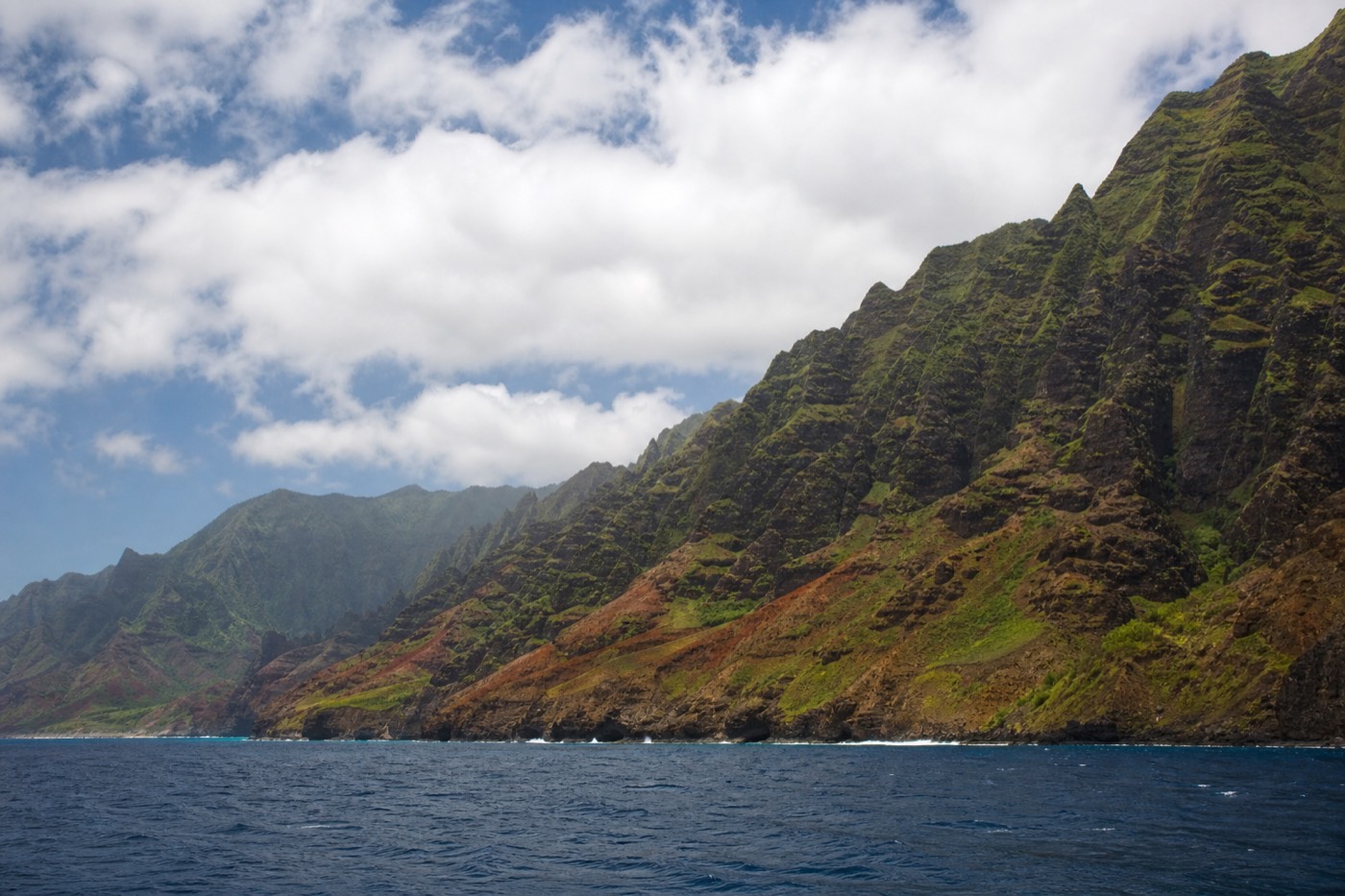
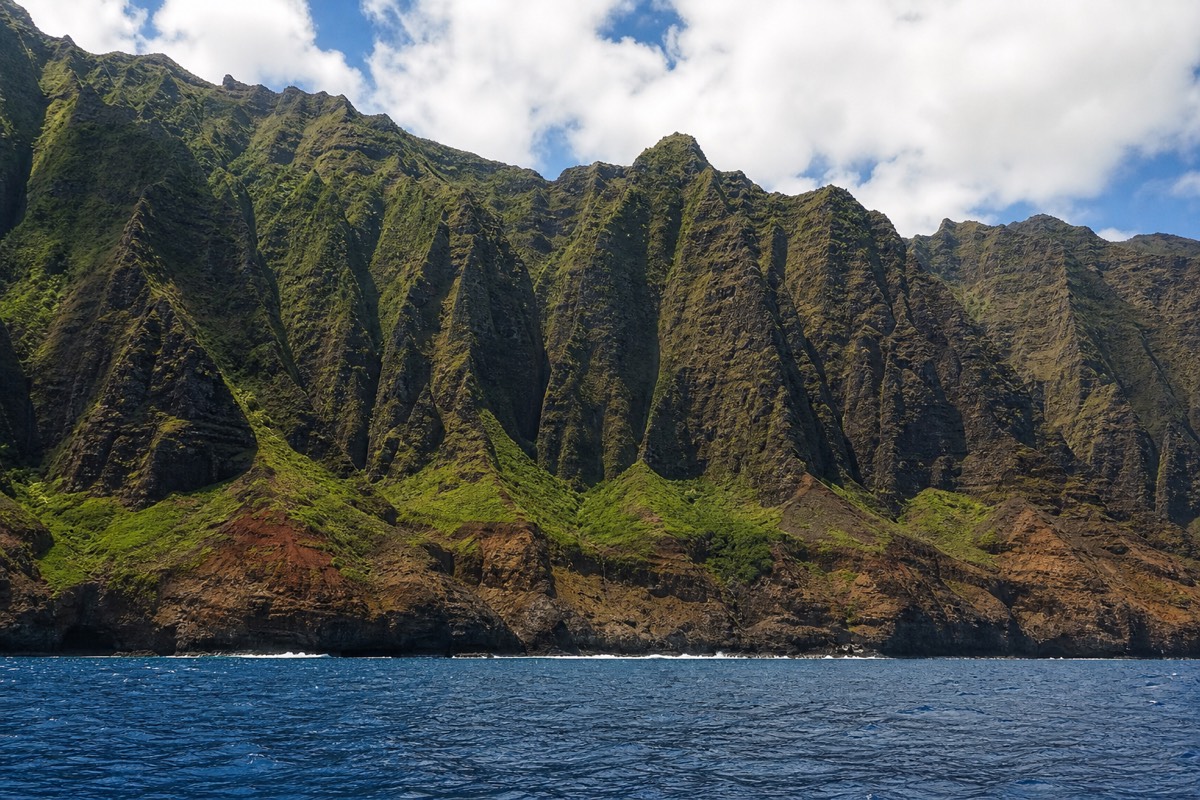
Fifteen miles of fluted green ridges drop straight into the ocean along Kauai's northwest edge, and no highway reaches them. The only ways in are on foot, by air, or by boat, and the boat is the one that puts you at the base of the cliffs, inside the sea caves, and over the reefs where the snorkeling happens. A Nā Pali Coast boat tour is the closest most travelers ever get to the wall of green that Hollywood keeps filming.
Booking choice: Look up at Nā Pali cliffs from the water, with lunch and weather-dependent sea caves. Explore Amelia K Nā Pali Boat Tour
What Are The Best Nā Pali Coast Boat Tours From Kauai?
The best Nā Pali boat tour depends on where you launch and what you want. West-side departures near Port Allen reach the coast fast and pair naturally with Waimea Canyon; north-shore launches sit closer to the cliffs but only run in summer. For most first-timers, a half-day west-side catamaran with snorkeling and a native-guided narrative is the safest, most complete choice.
Boats leave from two sides of the island, and the difference matters more than the brochure suggests. The west side runs year round out of Port Allen in Eleʻele and the small Kikiaola harbor near Waimea town. From there a catamaran turns north up the coast, passing the mouth of Waimea Canyon and a string of hidden valleys before it reaches the sea caves. The north shore launches from Hāʻena in summer, when the water on that side lies down enough to be safe, and those trips sit right under the cliffs within minutes. In winter the north shore surf shuts that option off, which is why the year-round tours all run from the south and west.
The single most-booked option this guide tracks is a five-hour west-side catamaran run by a native- and family-owned company out of Eleʻele, rated 4.9 stars with well over thirteen thousand travelers logged. It carries snorkel gear, a deli lunch, an on-board restroom, and a guide who narrates the Hawaiian history of each valley as you pass. That combination of stability, shade, food, and a bathroom is what makes a catamaran the default recommendation for anyone who has not spent much time on small boats.
| Departure | Season | Boat types | Time to the cliffs | Best for |
|---|---|---|---|---|
| Port Allen / Eleʻele (west) | Year round | Catamaran, raft | About 45–60 min | Winter trips, whale season, pairing with Waimea Canyon |
| Kikiaola / Waimea (west) | Year round | Raft, smaller catamaran | About 30–45 min | Faster start, closer parking to the canyon |
| Hāʻena / north shore | Summer only | Raft, small catamaran | Under 15 min | Maximum cave time when seas allow |
If your trip falls between roughly October and April, treat the west side as the practical answer and stop comparing. The north-shore boats are wonderful in July, and irrelevant in January. Everything below assumes a west-side departure unless a section says otherwise.
Catamaran Vs Raft (Zodiac): Which Boat Is Right For You?
A catamaran is stable, shaded, and carries a restroom, lunch, and shorter walk-downs, so it suits families, older travelers, and anyone unsure about seasickness. A rigid inflatable raft, often called a Zodiac, is faster and low to the water, ducks deeper into the sea caves, and delivers far more thrill, at the cost of a harder, wetter, bumpier ride with age limits and no bathroom.
This is the real decision, and it has almost nothing to do with price. A catamaran rides high and level on two hulls, so the swell passes under you instead of throwing you around. There is shade when the sun gets brutal, a rail to lean on, a head to use, and a flat deck where a deli lunch gets served halfway through. The trade is distance from the rock. A big cat cannot squeeze into the tightest caves, so you see them from the mouth rather than the inside.
A raft flips that. Sitting a foot above the waterline, you feel every wave, and the captain can nose the bow into caves and under waterfalls that a catamaran has to admire from a distance. The spray is constant, the pounding is real, and most raft operators set a minimum age and turn away pregnant travelers and anyone with a back or neck condition. There is usually no restroom and no shade. People who love it love it hard. People who get queasy remember it for the wrong reasons.
| Factor | Catamaran | Raft (Zodiac) |
|---|---|---|
| Ride | Stable, level, drier | Bouncy, low, wet |
| Sea caves | Viewed from the entrance | Enters when swell allows |
| Restroom on board | Yes, typically | Usually none |
| Shade and seating | Deck, benches, some cover | Straddle-style bench, open |
| Lunch | Deli meal often included | Snacks only, if any |
| Age and health limits | Check the restrictions for the actual vessel: the Amelia K listing requires at least moderate fitness and is not wheelchair accessible. Its minimum age is four on larger vessels and nine on smaller vessels; confirm your option. A boat trip is not suitable for every family or traveler. | Common minimums; back/neck warnings |
| Motion sickness risk | Lower | Higher |
| Best for | Families, seniors, first-timers | Thrill-seekers, cave hunters |
Our team's shorthand: if the group includes a child, a grandparent, or anyone who says the word queasy, book the catamaran and do not overthink it. If everyone is fit, the water is flat, and the goal is to touch the inside of a cave, the raft earns its bruises.
What Do The Snorkeling And Sea Caves Actually Look Like?
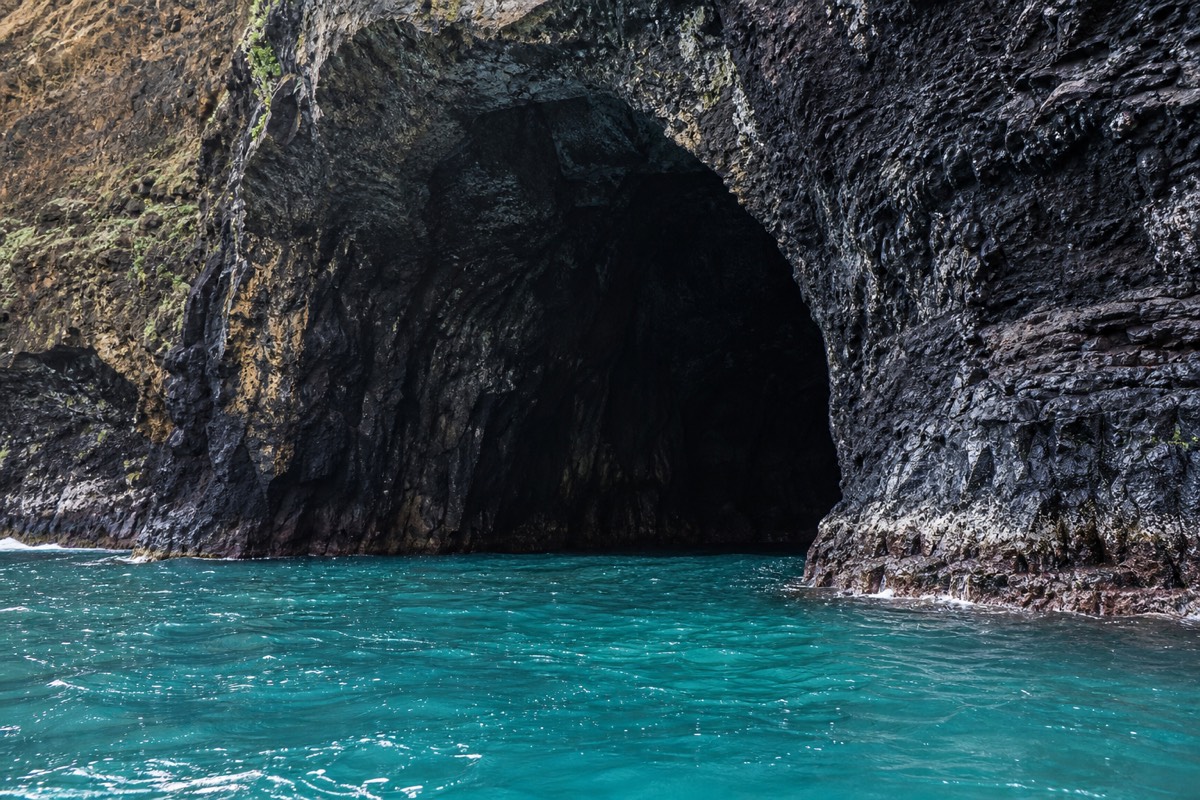
Snorkeling on a Nā Pali tour usually happens at a reef stop on the way out or back, not directly beneath the cliffs, and you can expect reef fish, occasional turtles, and clear water on a calm day. The sea caves are dark arches and lava tubes carved into the base of the cliffs; boats enter or approach them only when the swell is small enough to be safe.
Set expectations on the snorkeling. The water at the foot of the Nā Pali cliffs is deep and exposed, so operators anchor at a sheltered reef, commonly near Nualolo Kai or a south-side spot, where the bottom is shallow enough to see. On a good morning you drift over coral heads with yellow tangs, parrotfish, the occasional green sea turtle, and now and then a monk seal hauled out on the rocks. It is pleasant, easy snorkeling, not a world-class reef dive, and the guide hands out gear and keeps an eye on the group.
The caves are the headline. Centuries of surf have punched arches, tubes, and open-roofed rooms into the soft volcanic rock, and a boat can slide inside when the ocean cooperates. Sunlight comes through a blowhole overhead, water sloshes green against black walls, and the captain reads the swell before committing. On a rough day the caves stay off-limits, and a good crew will tell you so rather than risk it. Waterfalls streak the cliffs after rain, and the whole face glows when the light hits it right.
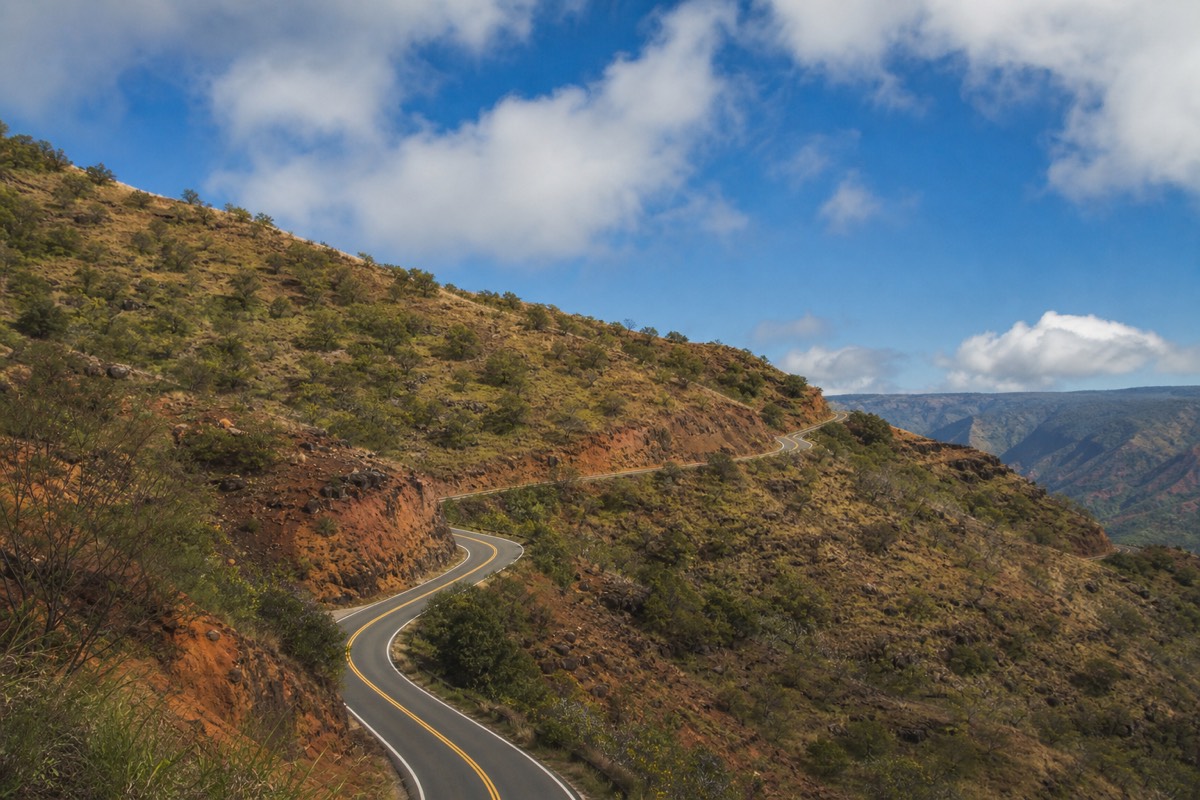
You also get a water-level look at the mouth of Waimea Canyon and the red-dirt coast as the boat runs north, which is a different picture from the one you get up on the rim. For how that rim view compares, see the Nā Pali views from Kōkeʻe.
Morning Or Afternoon: Which Departure Is Better?
Morning departures usually get calmer water, better snorkeling visibility, and the best odds of reaching the caves, because the trade winds build through the day. Afternoon trips can be choppier and sometimes cheaper, with warmer light on the cliffs. If you are prone to seasickness or the caves are your priority, book the earliest departure available.
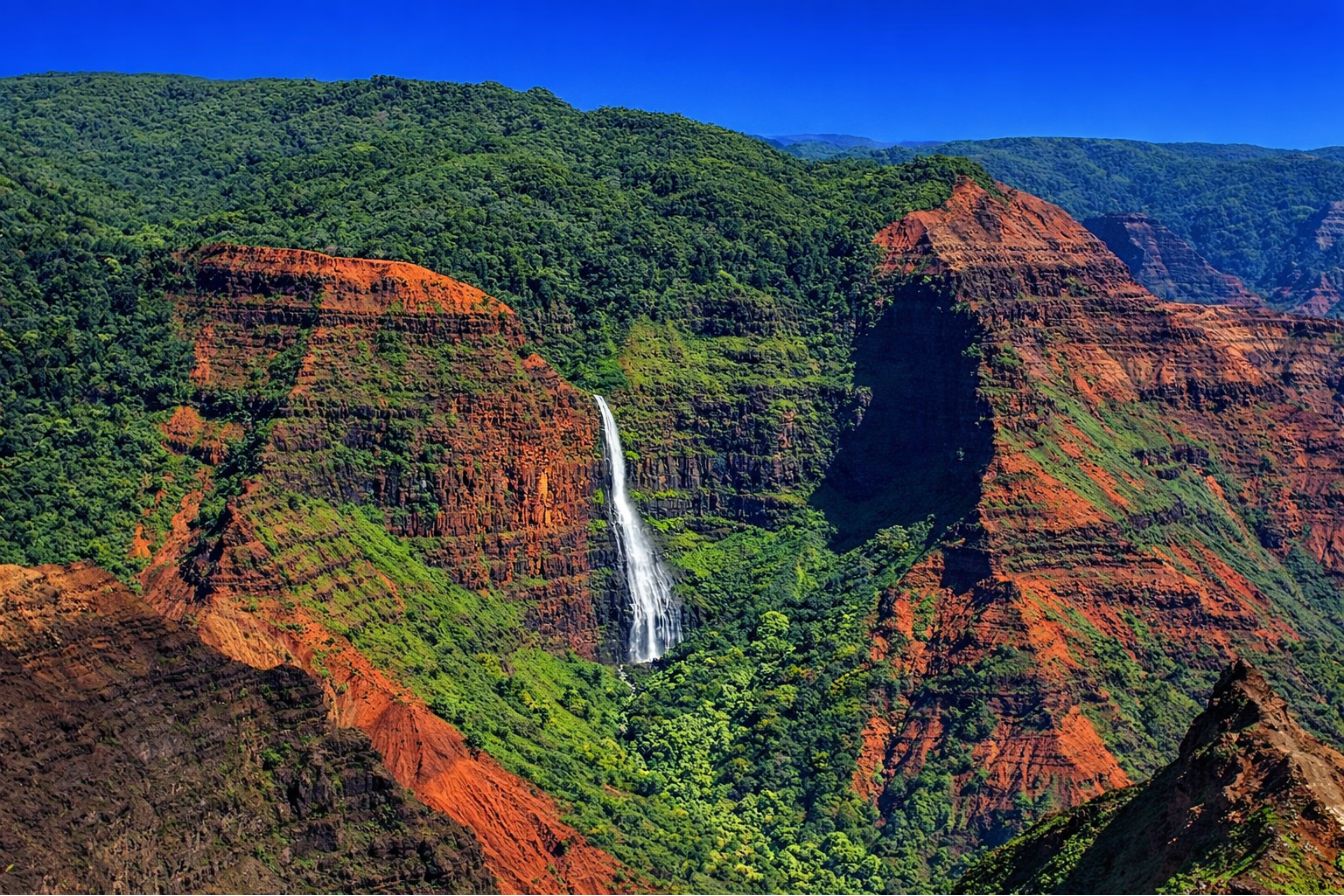
Wind, not the clock, drives this. Kauai's trade winds tend to be soft at dawn and stiffen through midday, so the ocean is generally smoothest on the first trips out. Calmer water means clearer snorkeling and better odds the captain can nose into a cave. That is why the morning departures are worth comparing and why this guide steers nervous stomachs toward them.
Afternoon runs are not a consolation prize. The light on the cliffs warms up late in the day, availability is easier, and on a flat-calm week the ride is barely different. The honest caveat is that on a windy afternoon the same stretch of coast can turn into a spine-rattling slog, and the caves may be closed by swell that built since morning. Read the trade forecast if you can, and when in doubt, go early.
| Factor | Morning departure | Afternoon departure |
|---|---|---|
| Typical sea state | Calmer, winds still light | Choppier as trades build |
| Snorkeling visibility | Usually clearer | Can be stirred up |
| Odds of entering caves | Higher | Lower on windy days |
| Light on the cliffs | Cooler, high sun later | Warmer, lower angle |
| Seasickness risk | Lower | Higher |
| Availability and price | Books out first | Often easier, sometimes less |
Boat Tour Vs Helicopter: Which Way Should You See The Coast?
A boat puts you at sea level for four to five hours with sea caves, snorkeling, and often whales in season, at a date-dependent price. A helicopter compresses the whole coast plus Waimea Canyon into about an hour of high-intensity, big-picture views. Choose the boat for immersion and value, the helicopter for scale and speed.
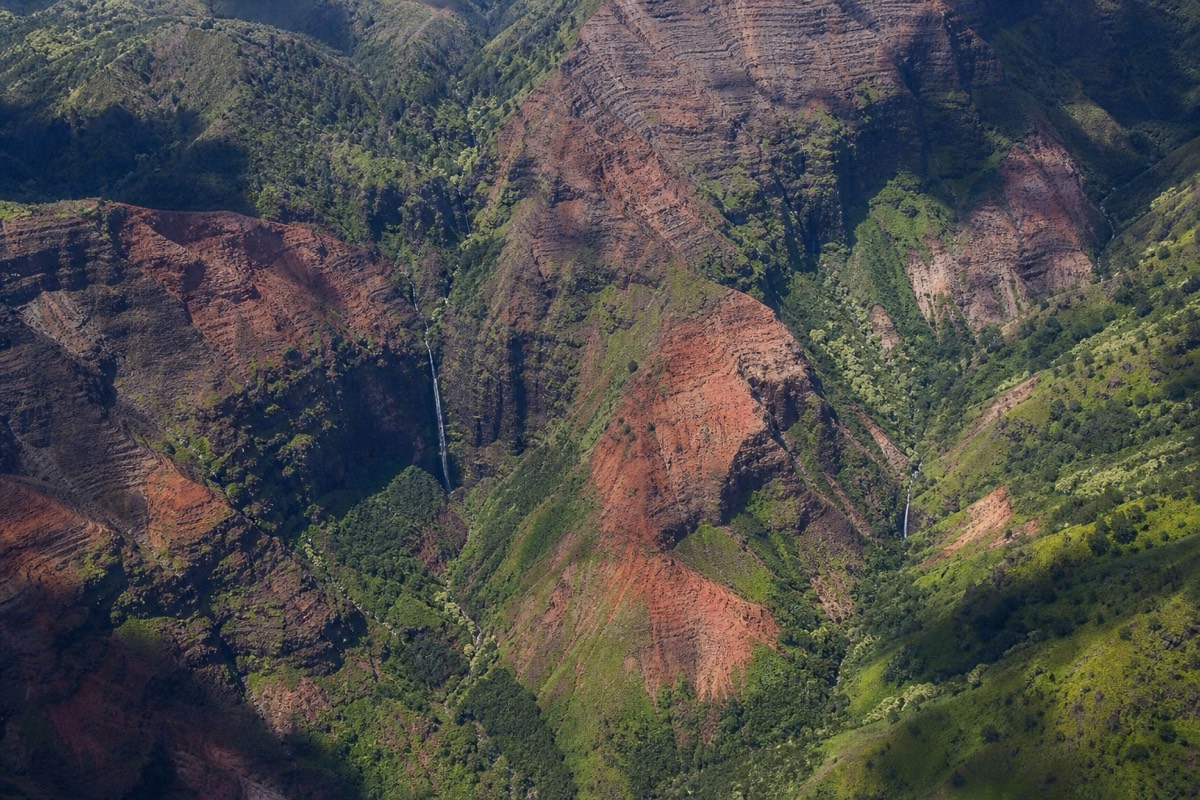
These are not competing versions of the same thing. From the water you spend the day in the coast, close enough to feel the cave spray and dive on a reef, and a west-side catamaran runs around the price of a mid-range dinner-and-show compared to flying. From the air you trade time and money for reach: a doors-off helicopter or a fixed-wing scenic flight covers the Nā Pali cliffs, the interior waterfalls, and the full depth of Waimea Canyon in about sixty to seventy minutes, seeing terrain no boat or trail can.
Money and stomachs both come into it. The helicopter is faster and higher-intensity, the fixed-wing air tour is gentler and cheaper than the chopper, and the boat is the value play that also feeds you lunch. We break the whole decision down in boat tour vs helicopter, and if flying wins, start with the Kauai helicopter tours guide.
| Factor | Boat tour | Helicopter | Fixed-wing air tour |
|---|---|---|---|
| Time on the coast | About 4–5 hours | About 55–60 min | About 65–70 min |
| Sea caves and snorkeling | Yes | No | No |
| Sees Waimea Canyon too | Coast and canyon mouth | Yes, full depth | Yes, full depth |
| Whales in winter | Close, at sea level | From above | From above |
| Relative cost | Lowest | Highest | Middle |
| Intensity | Active, on the water | High, fast | Calm, scenic |
How Does The Boat View Compare To The Kōkeʻe Lookout View?
From the water you see the cliffs from below, up close, with caves, waterfalls, and marine life. From the Kalalau Lookout in Kōkeʻe you stand about 4,000 feet up and look down the length of a single valley to the coast, for free, in fifteen minutes. They show the same coast from opposite ends, and serious Nā Pali travelers do both.
The rim view is the cheap, fast, land-based counterpart to the boat. Drive the paved highway up to the Kalalau Lookout in Kōkeʻe and you gaze straight down Kalalau Valley to where the green walls meet the surf, a top-down angle no boat can give. It costs only the park fee, it takes minutes, and on a clear morning it is one of the best views in Hawaii. The catch is the same one the canyon has: clouds and mist build over the lookout by afternoon and can erase the whole scene, so go early. If you want the full plan for that overlook, read the Nā Pali views from Kōkeʻe and the Kalalau Lookout guide.
The boat gives the intimate view the lookout cannot: texture on the rock, the dark of a cave, a turtle under the hull. The lookout gives the scale the boat cannot: an entire valley from top to sea in one frame. Neither replaces the other, and the west side puts both within an easy morning of each other.
| Aspect | From the boat | From Kōkeʻe / Kalalau Lookout |
|---|---|---|
| Angle | Below, at sea level | Above, about 4,000 ft |
| Sea caves and waterfalls | Up close | Not visible |
| Snorkeling and wildlife | Yes | No |
| Whole-valley perspective | No | Yes |
| Cost | Tour price | Park fee only |
| Weather risk | Sea state | Afternoon cloud cover |
When Is Whale Season, And Does It Change The Trip?
Humpback whales visit Hawaiian waters roughly from December through April, peaking around January to March, and a west-side Nā Pali boat often becomes a whale watch in those months. Winter also means bigger north-shore surf, so nearly all boats run from the south and west, and rough days can shorten or cancel a trip.
From about December into April, humpbacks move through the channel off Kauai to breed and calve, and the west-side boats run straight through their neighborhood. A morning cruise in February can turn into a whale watch without changing the itinerary: breaches, tail slaps, and the low blow of a surfacing adult, seen from sea level rather than a distant overlook. Even the winter scenic flights sometimes fold in whale spotting from the air.
Winter's other face is weather. The same season that brings the whales brings the north-shore swell that closes the Hāʻena launches, which is why the year-round tours all leave from the south and west. Trips still cancel on the roughest days, so build a spare afternoon into your plan and book early in your stay rather than on your last morning.
| Months | Whales | Typical seas (west) | North-shore launches |
|---|---|---|---|
| Dec–Feb | Arriving, then peak | Variable, some rough days | Closed |
| Mar–Apr | Peak, then tapering | Improving | Closed to early |
| May–Sep | Rare | Generally calmest | Open |
| Oct–Nov | None to first arrivals | Settling into winter pattern | Closing |
How Rough Does It Get, And What About Motion Sickness?
Nā Pali sits on an open, exposed coast, so even a good day has ocean swell, and afternoons and winter days run rougher. If you are prone to seasickness, book a morning catamaran, take a non-drowsy remedy before boarding, eat a light breakfast, and sit low and mid-ship watching the horizon. Most people are fine; the unprepared are the ones who suffer.
Be honest with yourself here. This is open ocean, not a harbor cruise, and the swell that carves those caves also rocks the boat. A calm summer morning on a catamaran feels gentle to most passengers. A windy winter afternoon on a raft is a different animal, and the people who ignore the warnings are the ones hanging over the rail an hour in.
The fixes are simple and they work. Choose the most stable boat and the earliest slot. Take a non-drowsy motion remedy or wear the wristbands before you leave the dock, not after you feel it, and skip the greasy breakfast and the alcohol. On the water, stay on the lower deck near the middle where the motion is least, keep your eyes on the horizon or the cliffs, and get into the fresh air rather than below. If the caves matter more than comfort but your stomach is unsure, the morning catamaran is the compromise that keeps both.
Is A Nā Pali Boat Tour Good For Families, Seniors, And Non-swimmers?
Yes, on the right boat. A stable catamaran with a restroom, shade, and a crew that hands out flotation is well suited to families with children, older travelers, and non-swimmers, since the snorkeling is optional and supervised. Rafts are a poor fit for those groups because of the pounding ride and common age and health limits.
The catamaran is the family boat for a reason. Kids get room to move and a bathroom when they need it, grandparents get a rail and a bench instead of a bruising, and non-swimmers can stay aboard while others get in the water, or snorkel close to the boat with a flotation belt and a guide watching. Nobody is forced into the ocean; the reef stop is an option, not a requirement.
Rafts ask more of a body than many families or seniors want to give. The low, hard, wet ride and the standard back, neck, pregnancy, and age warnings rule them out for a lot of travelers, and there is no restroom to fall back on. For a mixed-age group, the answer is almost always the catamarantraveler reviews on the provider listing in the morning, with the snorkeling treated as a bonus rather than the main event.
What Should You Bring On A Nā Pali Boat Tour?
Pack reef-safe sunscreen, a rash guard or light layer, a dry bag for your phone, a hat with a strap, and a non-drowsy motion remedy taken before boarding. Wear a swimsuit under quick-dry clothes and bring a towel if the operator does not. Leave loose valuables, heavy cameras without straps, and anything you cannot afford to get wet in the car.
The sun off the water is stronger than it feels, and reef-safe sunscreen is now the law in Hawaii, so bring a mineral formula and reapply. A rash guard does double duty as sun cover and warmth on a breezy run. The spray finds everything, so a dry bag for phones and keys is the single smartest item you can carry, and a hat needs a chin strap or it is gone on the first gust. On a catamaran the crew often supplies towels, snorkel gear, and lunch, but confirm your specific tour, since a raft may leave you to bring your own.
| Item | Why | Who supplies it |
|---|---|---|
| Reef-safe sunscreen | Strong sun, required by law | You |
| Rash guard or light layer | Sun cover and wind warmth | You |
| Dry bag for phone and keys | Constant spray | You |
| Hat with a strap | Wind on the water | You |
| Motion remedy or wristbands | Take before boarding | You |
| Towel | After snorkeling | Catamaran often; raft rarely |
| Snorkel gear and lunch | Reef stop and mid-trip meal | Catamaran usually included |
Dress in a swimsuit under quick-dry clothes so the reef stop needs no changing, and skip anything you would mourn if it went overboard. A phone in a floating case beats a heavy camera you have to guard. The less you have to protect, the more you actually watch the coast.
Is A Nā Pali Coast Boat Tour Worth It?
For most visitors, yes. The Nā Pali cliffs cannot be reached by road, and the boat is the only way to combine the caves, waterfalls, snorkeling, and winter whales in a single half-day at a fair price. Pick a stable catamaran, go in the morning, and it is one of the standout days of a Kauai trip.
There is a reason this coast anchors so many Kauai itineraries and why the top west-side boat has logged more travelers than any other tour this guide compares. You are seeing terrain that has no road, from an angle a lookout cannot give, on a coast Hollywood keeps coming back to. Match the boat to your group, respect the weather, and go early in the day and early in your trip so a rough afternoon does not cost you the whole thing.
If you are basing yourself on the west side, you can pair this with the canyon in a single day. See whether that plan actually works in can you do Waimea Canyon and a Nā Pali boat tour in one day, and for the fuller land itinerary, is one day enough for Waimea Canyon and Kōkeʻe.