Is a Doors-Off Helicopter Worth the Extra Money?
Doors-off means glass-free photos and a real rush, but also more wind, more cold and a strict gear rule. Here is who should pay up and who should not.
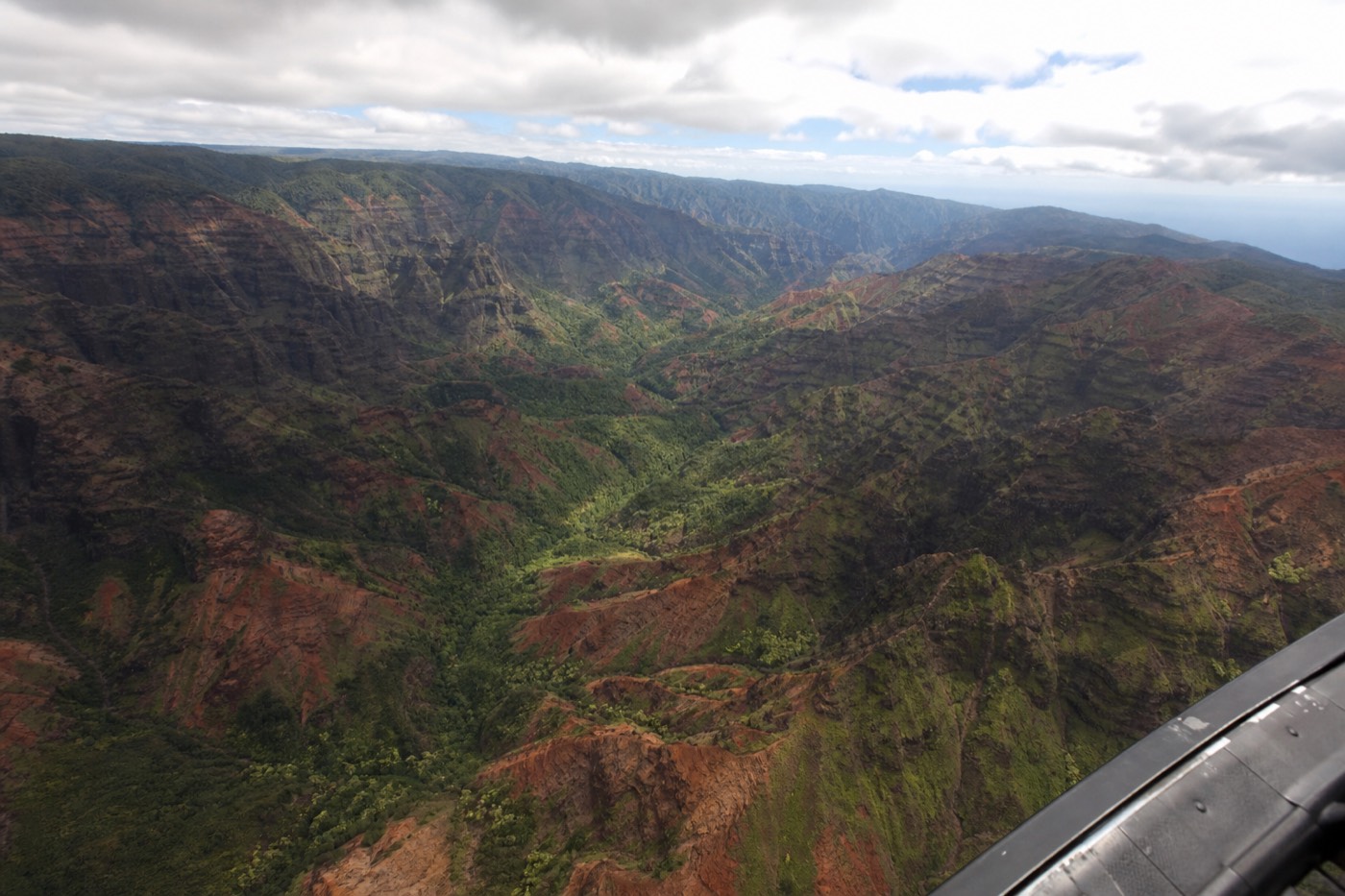
If you are a keen photographer or a thrill-seeker, yes: a doors-off helicopter removes the window glass, kills glare and delivers the cleanest possible shots of Waimea Canyon and the Nā Pali Coast, plus a real sense of the drop. If you run cold or feel nervous about heights, a doors-on cabin gives you the same route in comfort, and that is money well kept.
Booking choice: See Waipoʻo Falls, Waimea Canyon and Nā Pali from a private doors-off helicopter. Explore Private Doors-Off Waterfall Flight
The current private doors-off listing is for two or three passengers, with a minimum age of seven and strict individual and combined weight limits. It is not the former four-passenger Hughes 500 offer. Seating is assigned for aircraft balance; confirm the current aircraft and seat arrangements before booking.
What Does Doors-off Actually Change?
Three things: your photos, the temperature and the intensity. Photos improve the most, because an open doorway gives a clean, glare-free line to the canyon, the Nā Pali cliffs and the Jurassic Park waterfall. That alone is why serious camera users pay the premium.
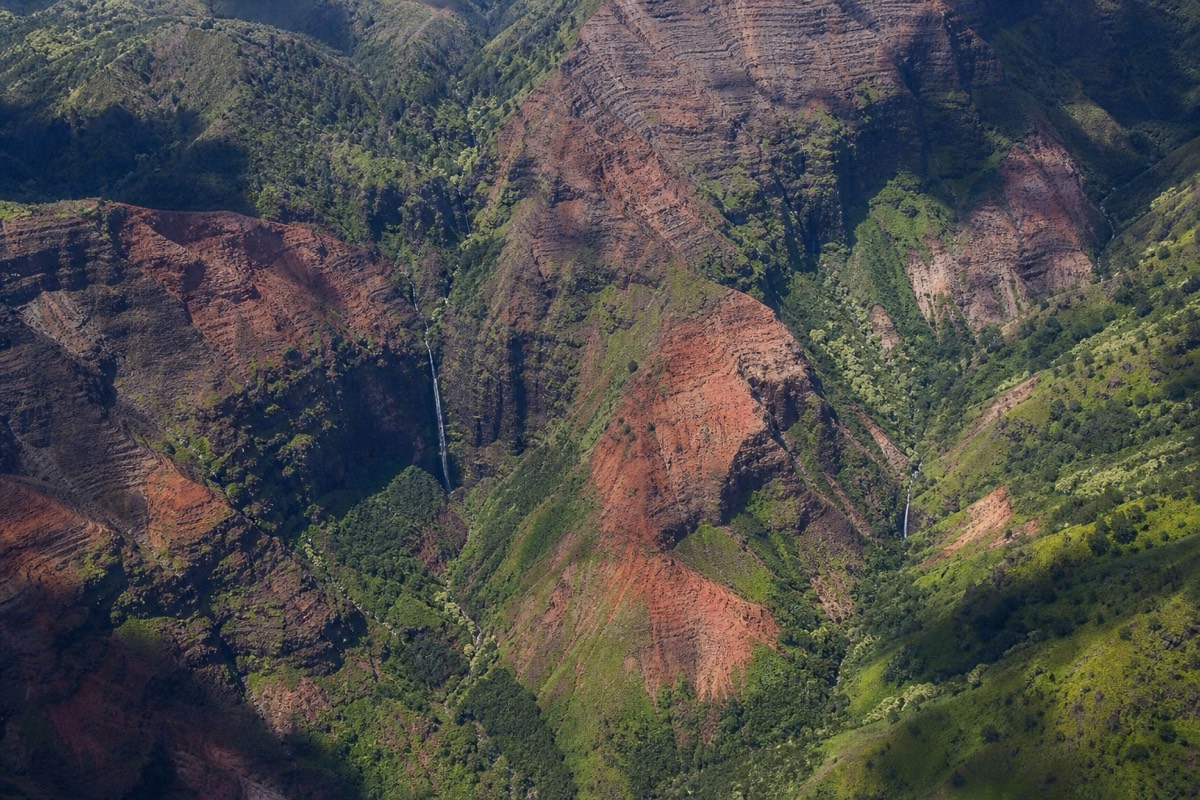
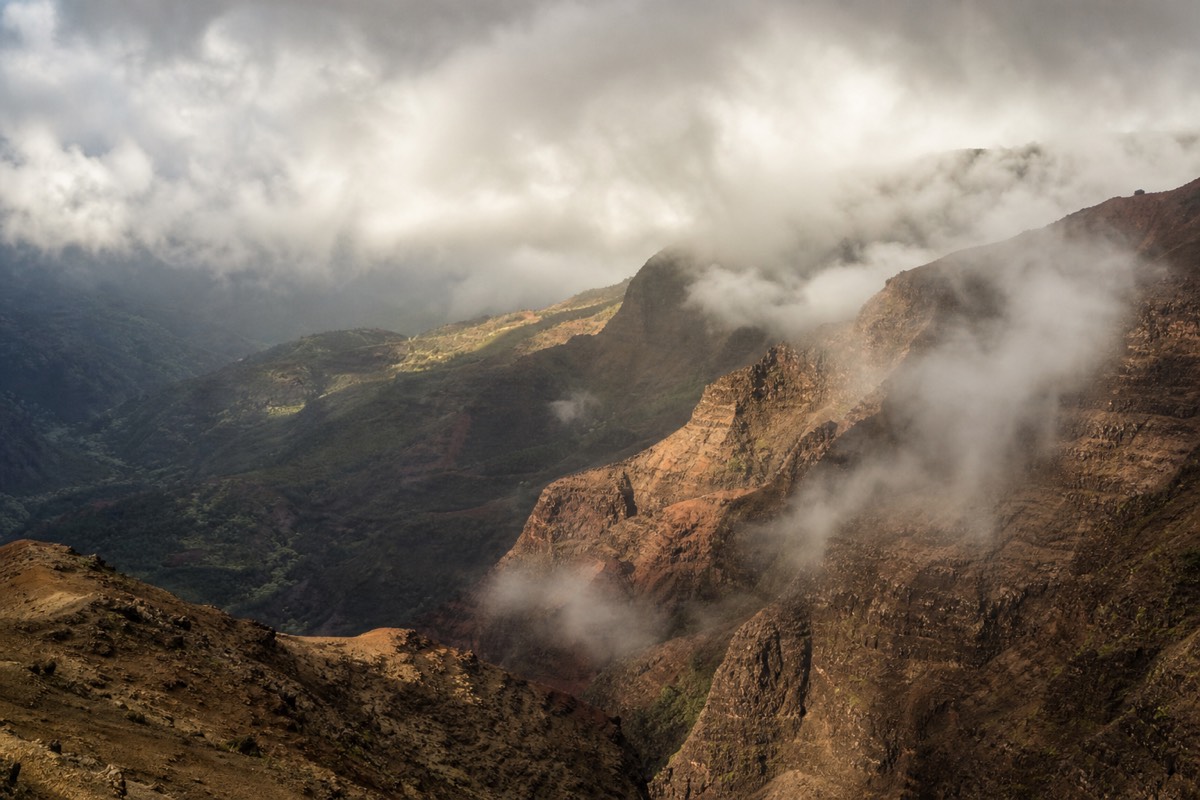
The other two changes are physical. Wind moves through the cabin the entire flight, and it gets genuinely cold as you climb toward the 4,000-foot canyon rim, colder than most first-timers expect over tropical Kauai. The exposure also ramps up the thrill, which is a plus if that is what you came for and a minus if heights make you tense. Our Kauai helicopter tours guide lays out the doors-on and doors-off trade in full.
What Should You Wear And How Do You Secure Your Gear?
Dress warmer than the ground temperature suggests and lock down everything you bring. The wind at altitude cuts through thin clothing, and anything loose in an open-door cabin is a hazard to you and the aircraft. The doors-off flight hands out phone lanyards for exactly this reason, and the rule is absolute: if it is not attached to you or zipped away, it does not fly.
| What to wear | How to handle gear |
|---|---|
| A light jacket or layer for the cold at altitude | Phone on the supplied lanyard, wrist strap on the camera |
| Long pants over shorts for wind | Nothing loose in laps or open pockets |
| Closed shoes, not loose sandals | Hats and sunglasses secured or stowed |
| Dark colors to cut cabin glare in photos | Spare items zipped away before takeoff |
| Hair tied back | Follow the crew's briefing to the letter |
Do this and the open doorway is pure upside. Ignore it and a great shot can turn into a dropped phone somewhere over the canyon.
When Is Doors-on The Smarter Pick?
When comfort or nerves outweigh the photography. If you feel the cold quickly, get anxious about heights, or are flying with younger kids, a doors-on cabin gives you the same route, the same landmarks and a warmer, calmer ride, often at a lower price. You still shoot through the window, but for most travelers the view is the reward, not the pixel-level sharpness.
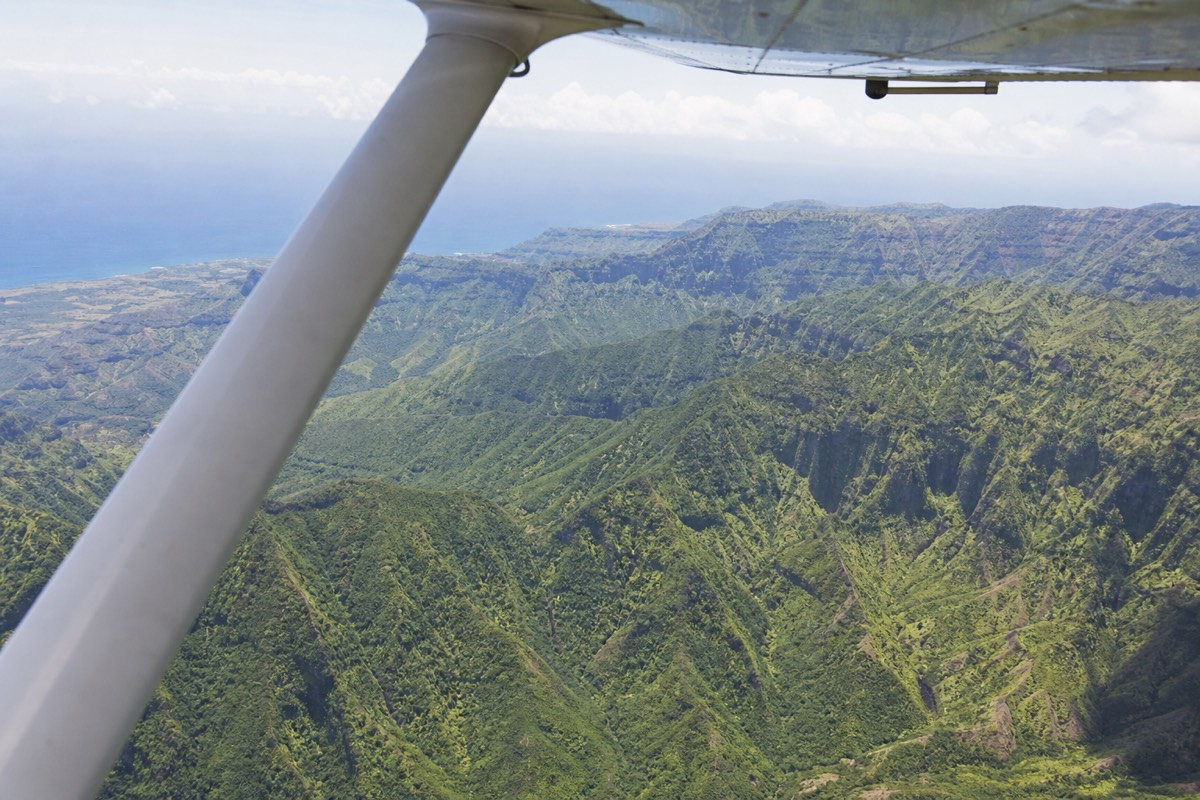
There is also the fixed-wing option, which is smoother again and cheaper still. If the doors-off premium is giving you pause, weigh it against the airplane in our helicopter vs fixed-wing comparison, and see the full airplane rundown in our scenic air tours guide. The right answer is the one that matches how you travel, not the most expensive seat.
| Choose doors-off if | Choose doors-on if |
|---|---|
| You want the cleanest, glass-free photos | You run cold or dislike wind |
| You want the biggest thrill | Heights make you nervous |
| You can secure every loose item | You are flying with young kids |
| Sharp images justify the premium | You would rather save the money |